Spotlight: Creative Apprenticeships
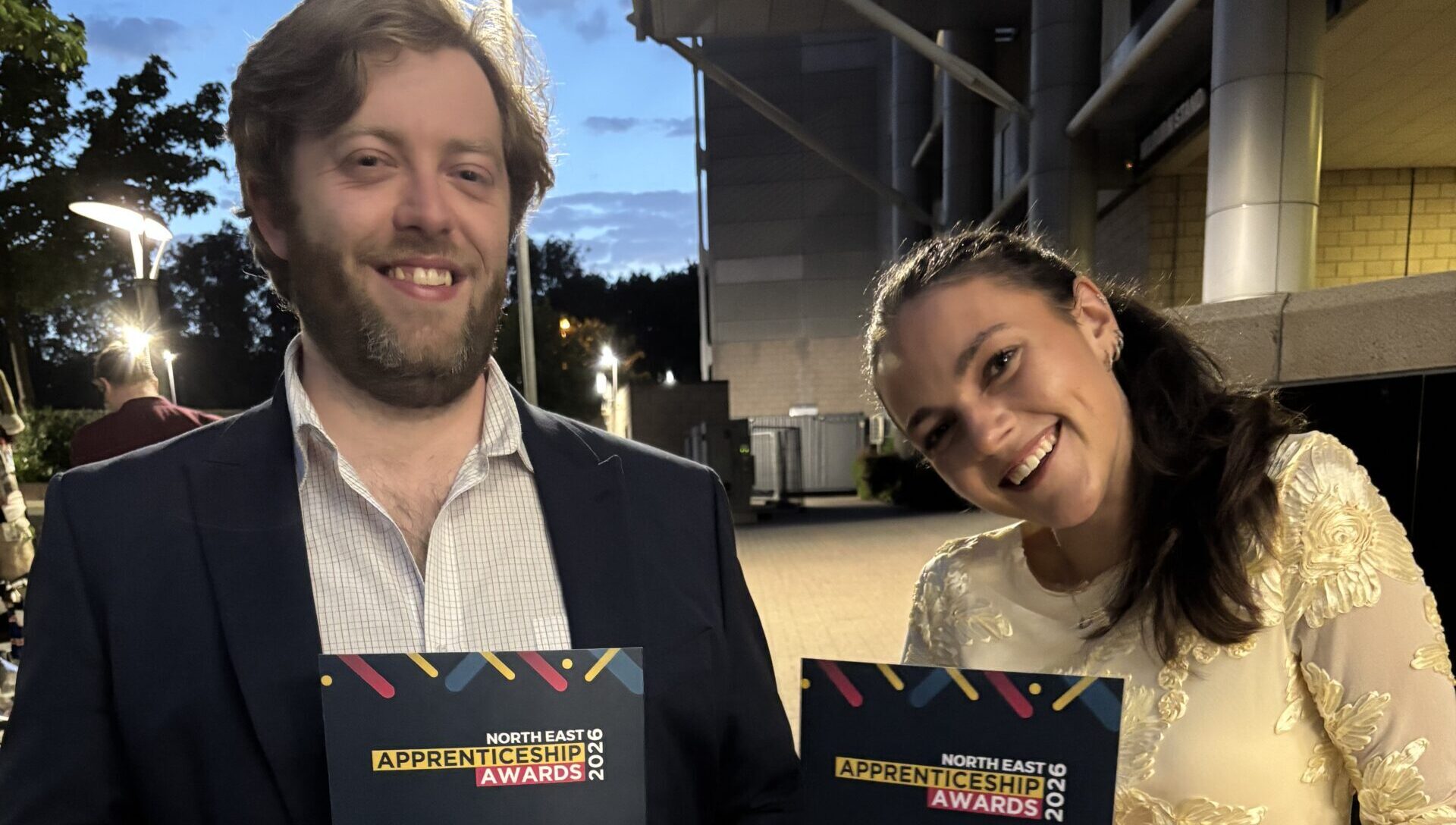
Meet the apprentices helping Berwick Shine
Two local young people joined The Maltings (Berwick) Trust in October 2024 as Level 3 Events Assistant Apprentices through Berwick Shines, the Living Barracks Cultural Engagement Programme funded by the Cultural Development Fund.
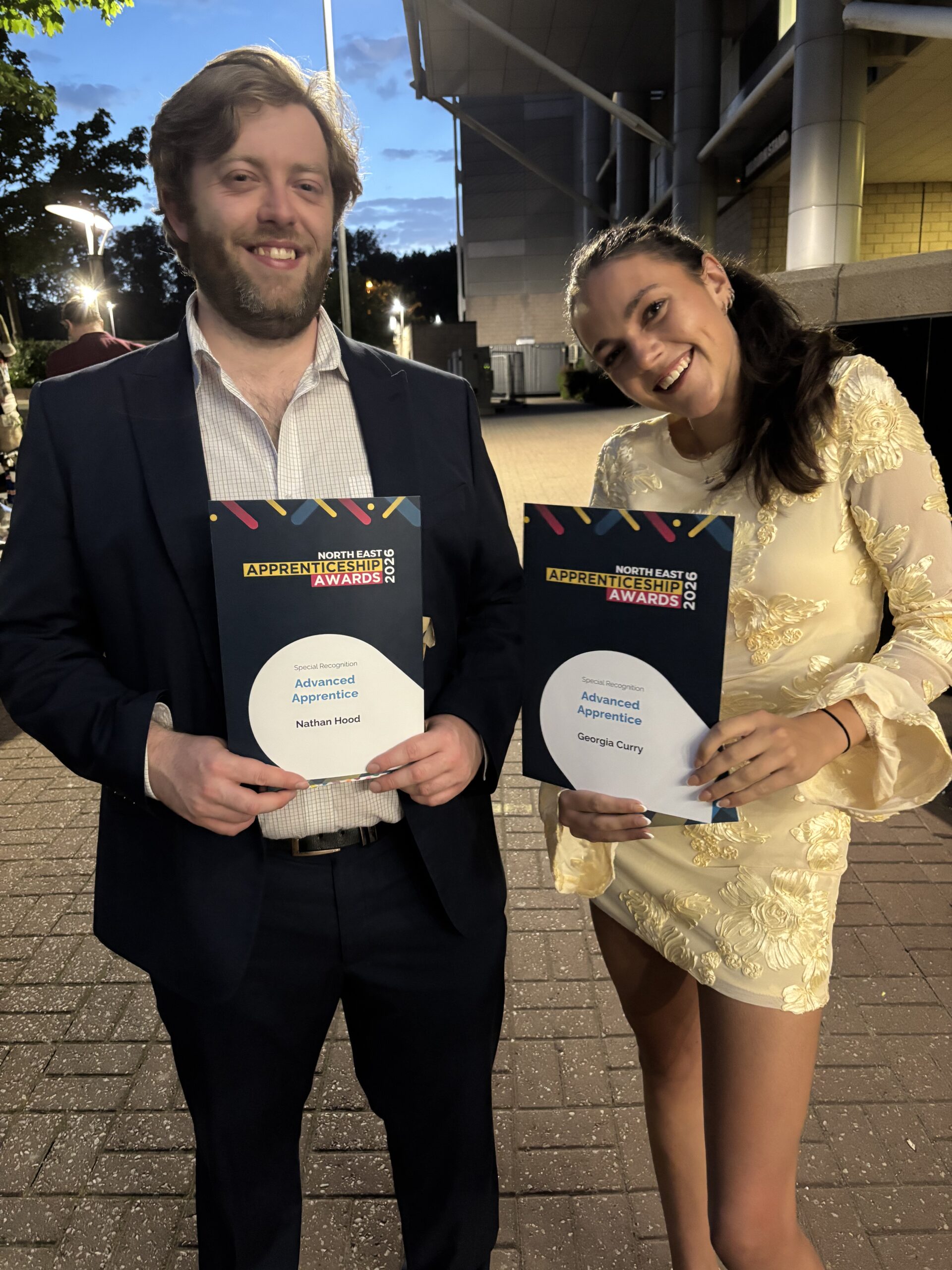
Although they came to the programme from very different backgrounds, Georgia Curry and Nathan Hood both achieved a Distinction in their apprenticeships and have since been shortlisted in the Advanced Apprenticeship category at the North East Apprenticeship Awards. Their success reflects not only their own dedication and hard work, but also the impact that high-quality apprenticeship opportunities can have in developing talent within the cultural sector.
We spoke to Georgia and Nathan about their apprenticeship journeys, the skills they developed, and what they’ve gained from the experience.
Georgia’s Story
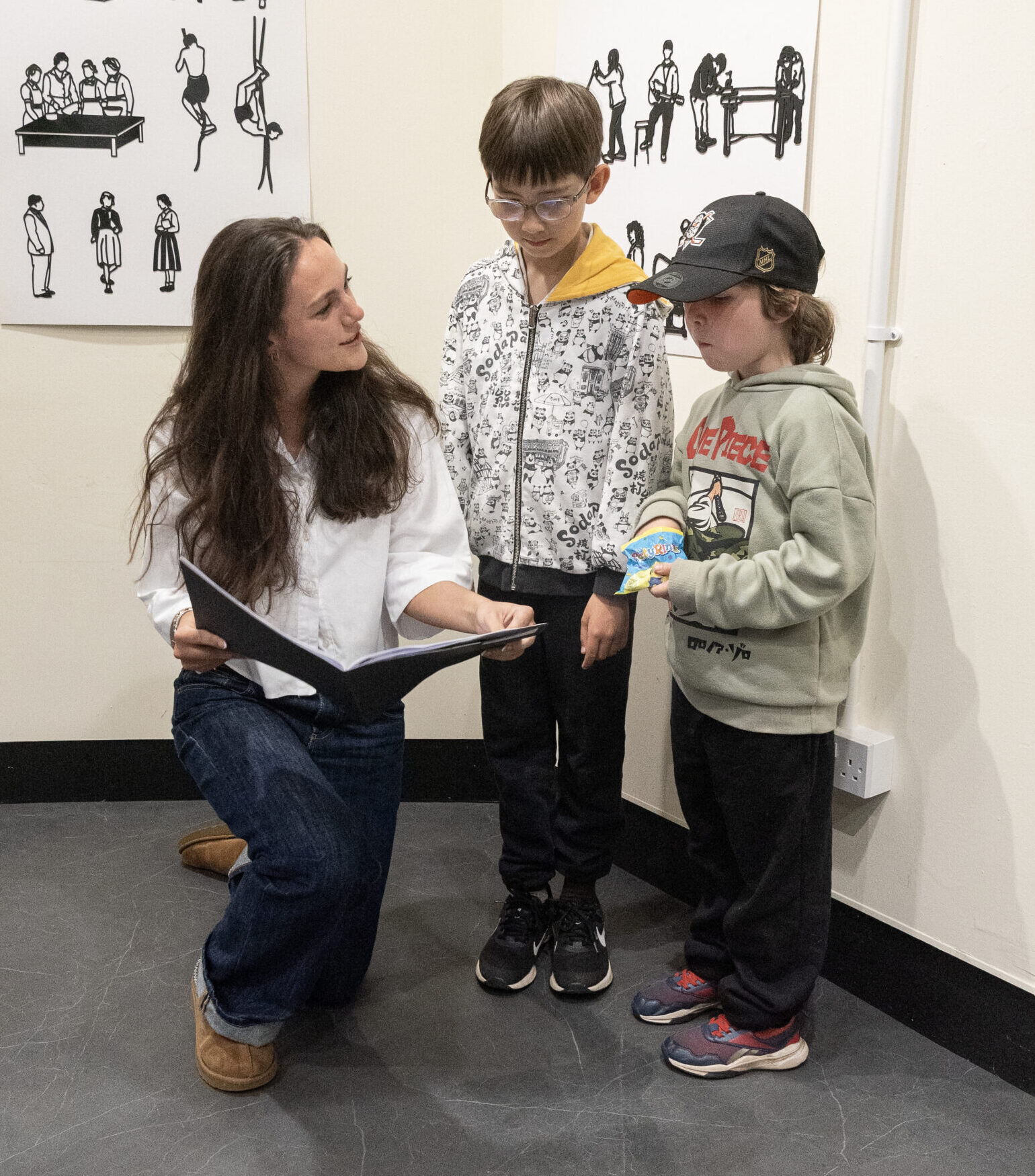
Georgia Curry
Georgia, 20, lives just outside Warkworth with her family. She attended Westfield School in Newcastle, where she studied A Levels in Geography, English Literature, English Language and Sports Leadership.
Why did you decide to do an apprenticeship?
“I went to a small school and absolutely loved it, so I was quite sad when it came to an end. When I got my results, I wasn’t sure what to do next. A lot of my friends were heading off to university, but I didn’t want to go simply because everyone else was doing it. I wanted to be certain it was the right path for me.
When I saw the Events Assistant Apprenticeship with The Maltings, I was really excited because I could immediately picture myself doing the job. It was creative, people-focused and something I knew I would enjoy. I love chatting to people and events seemed to be the perfect fit! I’d never even visited Berwick until the day of my interview, but the team made me feel welcome straight away and I knew it was somewhere I wanted to work.”
What did the apprenticeship involve?
“The apprenticeship involved spending three days each week working with the Events Team at The Maltings and one day studying at Gateshead College. I was already used to commuting to Newcastle for school, so travelling wasn’t a problem, and it was a huge help that transport costs were covered through the apprenticeship funding. Throughout the apprenticeship, I was offered opportunities through college to practice the skills I’d learnt by working on events at the Baltic and Wylam Brewery. I also worked on The Spring Dinner and House Party at Beamish Hall for the North East Chamber of Commerce, which is a great addition to the CV!
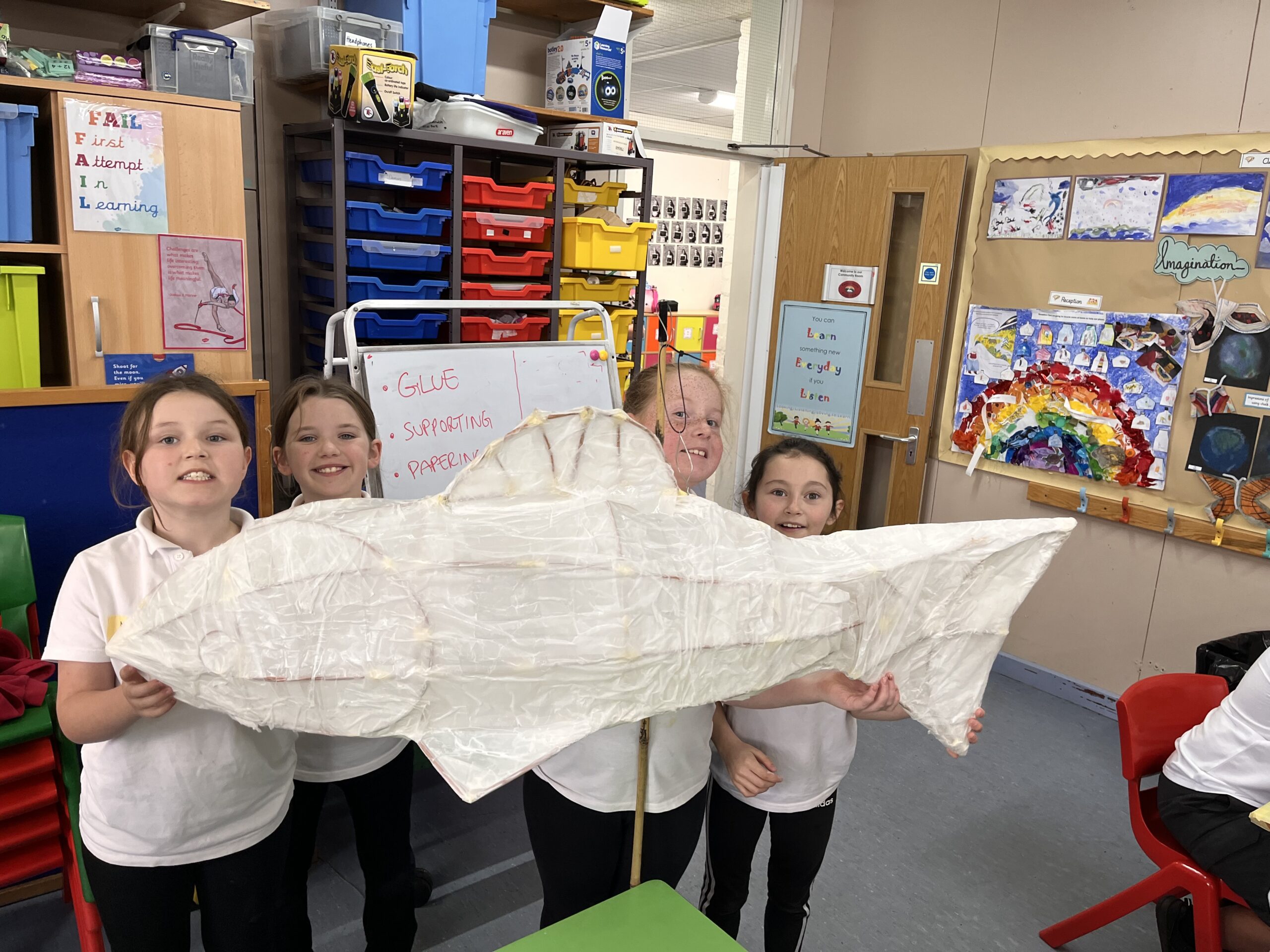
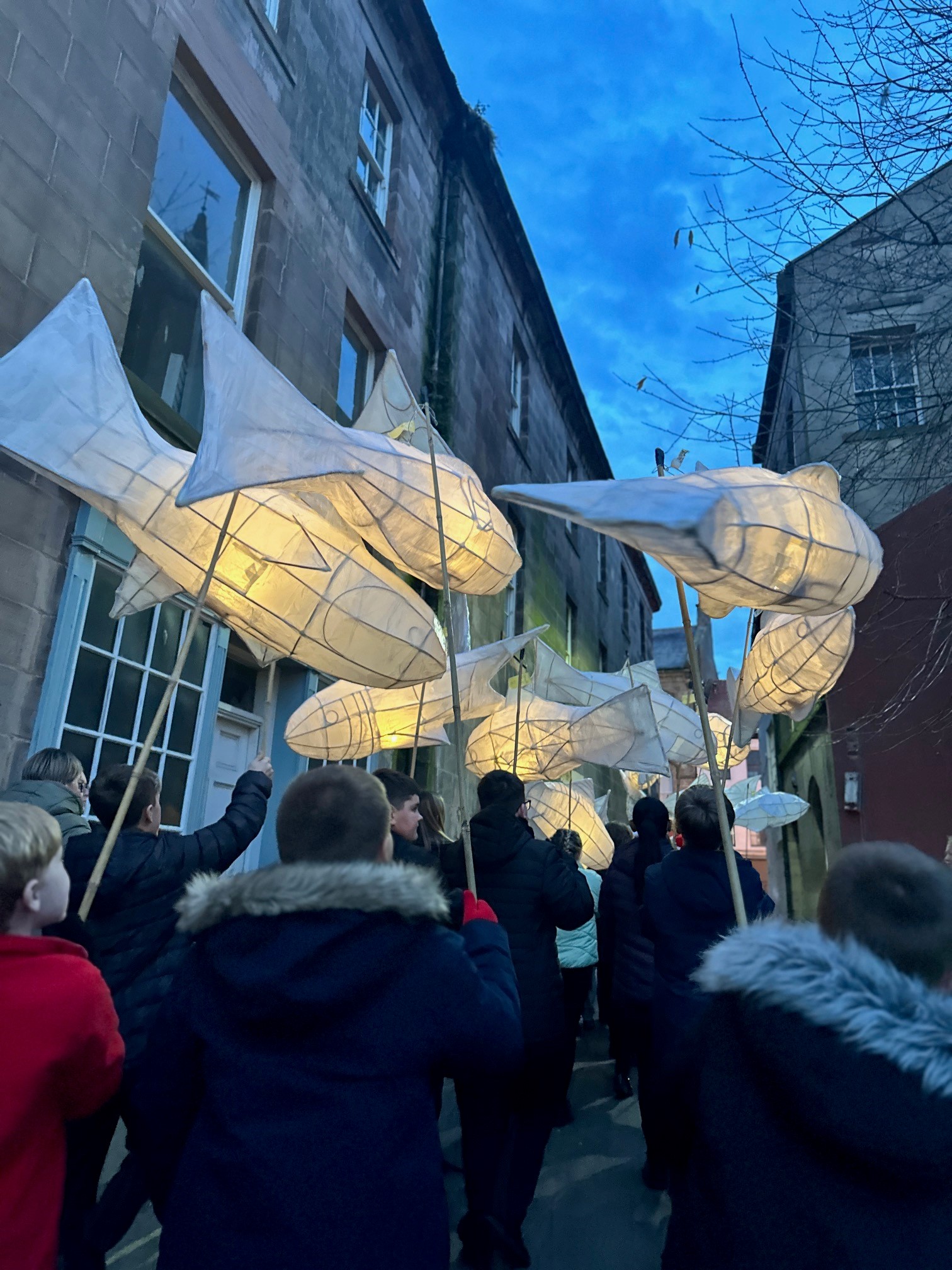
I started work at The Maltings by supporting Berwick Shines projects, accompanying the Engagement Manager into schools and helping to deliver artist-led workshops, which I really enjoyed. Alongside that, I carried out research and administrative tasks, such as identifying local school contacts or sourcing venues. At first some of this felt daunting, but I was supported every step of the way. My first big event was Berwick Parade, which I loved, and I worked with schools on the Salmon Lantern project. Recently I’ve been working with Martha Ellis, resident artist at Berwick Academy, going into school and supporting with workshops.
Over the past 18 months I’ve worked on some fantastic projects with Berwick Shines and eventually progressed to helping run the pop-up venue on Hide Hill. I’ve delivered community workshops, family drop-in sessions and filming activities there. It’s incredible to think how much I’ve learned. When I first started, I was observing other people deliver creative workshops in schools. Eighteen months later, I’m leading them myself.”
What challenges did you have to overcome?
“The biggest challenge initially was college. I’d come from a small school with a real family atmosphere, and Gateshead College felt enormous by comparison. It was quite overwhelming at first, but I stuck with it and after a few months I realised I’d settled in and was really enjoying it.
Towards the end of the apprenticeship, balancing a busy workload with college assignments was challenging too. I also get nervous about exams, so the final professional discussion assessment felt terrifying. Once it started, though, I settled into it and it actually went really well.”
What did you find most rewarding?
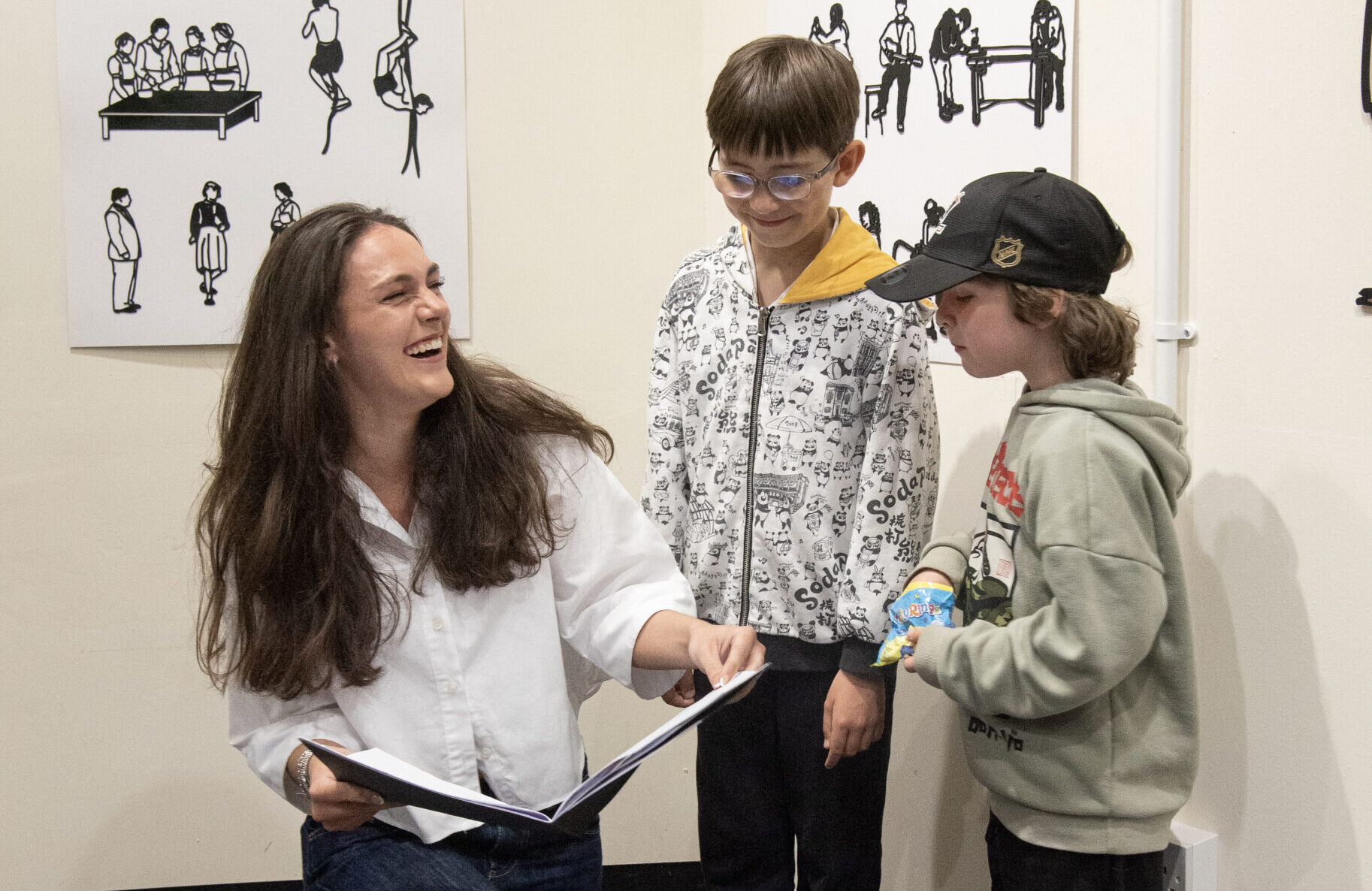
“Looking back and seeing how far I’ve come has been the most rewarding part. As part of my assessment, I planned and delivered a community water-marbling workshop independently. That meant managing the budget, completing risk assessments, planning the marketing and facilitating the event itself. I think this was a big moment for me as it proved I was capable of doing the work independently.
When I started, I was quite shy and often doubted myself. I never imagined I’d be able to do some of the things I’ve done over the past 18 months. Now I know I can do them because I’ve already done them. Having senior managers trust me to deliver community workshops independently has been a huge confidence boost and has really helped me believe in my own abilities.”
What would you say to other people considering an apprenticeship?

“I’d recommend an apprenticeship without hesitation. Some of my friends went to university and that’s absolutely the right choice for many people, but for me, learning by doing was the perfect fit.
I also wanted to become independent, earn my own money and gain real-world experience. The apprenticeship allowed me to do all of those things. I’ve also learned the fundamental routines and responsibilities that come with working life, which has given me a lot of confidence.
Many of my friends are now finishing university and starting their job searches, while I already have significant experience and practical skills that I can take into future roles.”
What’s next for you?
“After completing the apprenticeship, my contract was extended, which was fantastic. As the programme is now coming to an end, several of us are moving on to new opportunities.
I’ve got a few holidays planned and will be working over the summer at Morwick Dairy in an Assistant Manager role, including supporting wedding enquiries. Longer term, I’m keeping an open mind. The apprenticeship has given me a wide range of transferable skills, and I’ve discovered that I really enjoy working with young people and delivering creative workshops, so that’s definitely something I’d like to explore further.”
Nathan’s Story

Nathan Hood, 32, lives in Berwick. He studied History at the University of Edinburgh before spending a further ten years in academia, completing a Masters degree and later achieving a PhD.
Why did you decide to do an apprenticeship?
“I spent ten years studying History at the University of Edinburgh, completing my PhD and later lecturing there. During that time, I began running historical tours of Arthur’s Seat and realised how much I enjoyed engaging people with history in creative ways.
I knew I wanted to move into the culture and heritage sector, but I didn’t have any direct experience, so I wasn’t sure where to start. When I saw the Events Assistant Apprenticeship with The Maltings Trust, I thought it could be a great opportunity to gain experience and open the door to a career in the field.
Initially, I worried that my age and academic background might count against me. There’s often a perception that apprenticeships are only for school leavers, so I was delighted when I was offered the role.”
What did the apprenticeship involve?
“I spent three days a week working for The Maltings Trust in Berwick and one day studying at Gateshead College. Georgia and I were the only apprentices working in the arts and cultural sector, which made for some interesting discussions and different perspectives. The college modules covered a broad range of business skills that I hadn’t encountered in academia, including topics such as organisational structures, managing change and project delivery.
At The Maltings, no two days were the same. My work included researching venues, liaising with artists, writing marketing materials and risk assessments, stewarding events and taking responsibility for different aspects of project delivery.
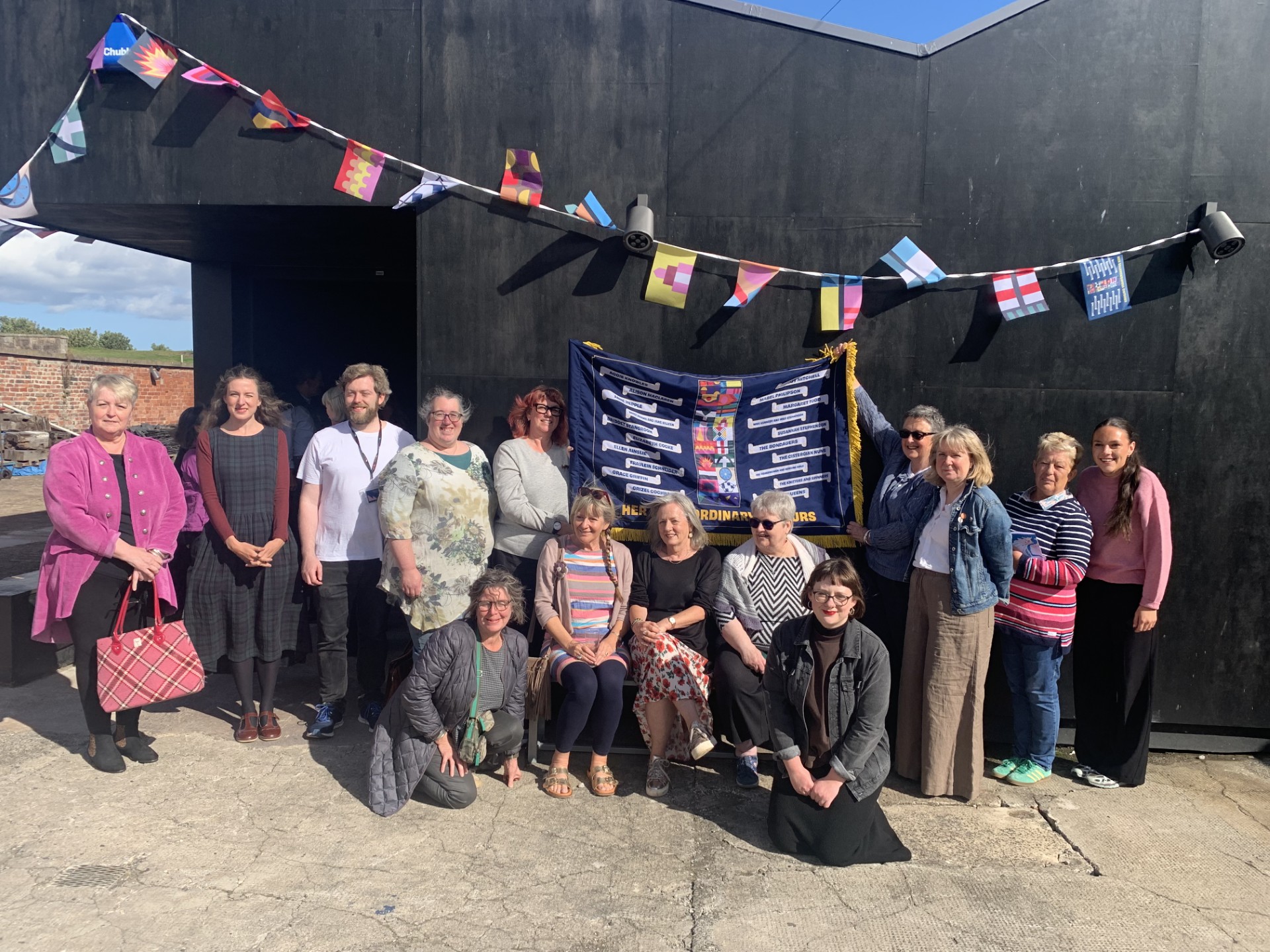
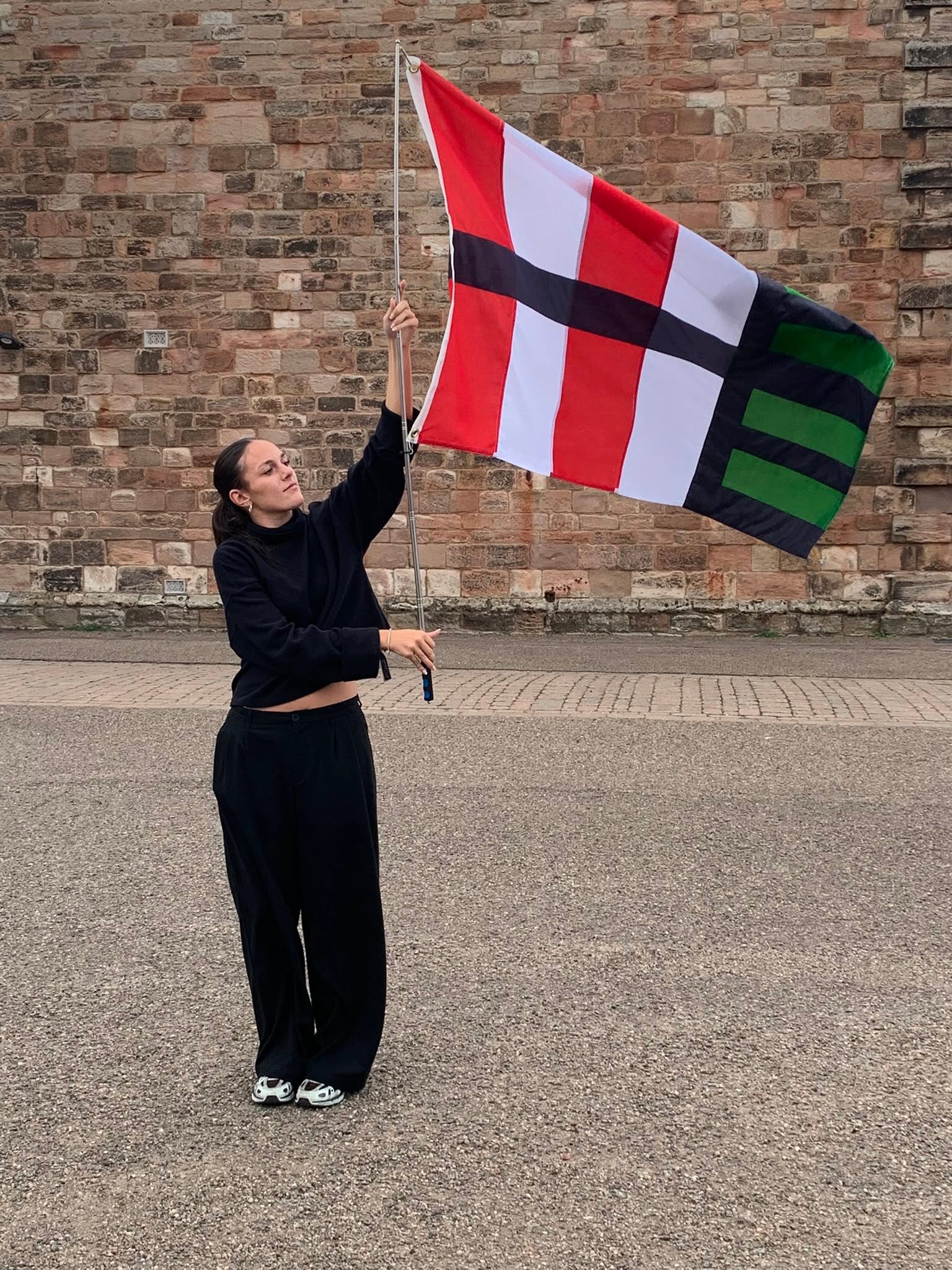
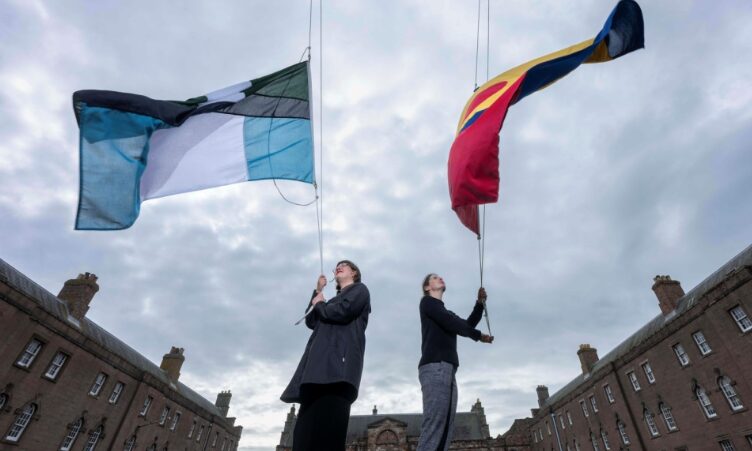
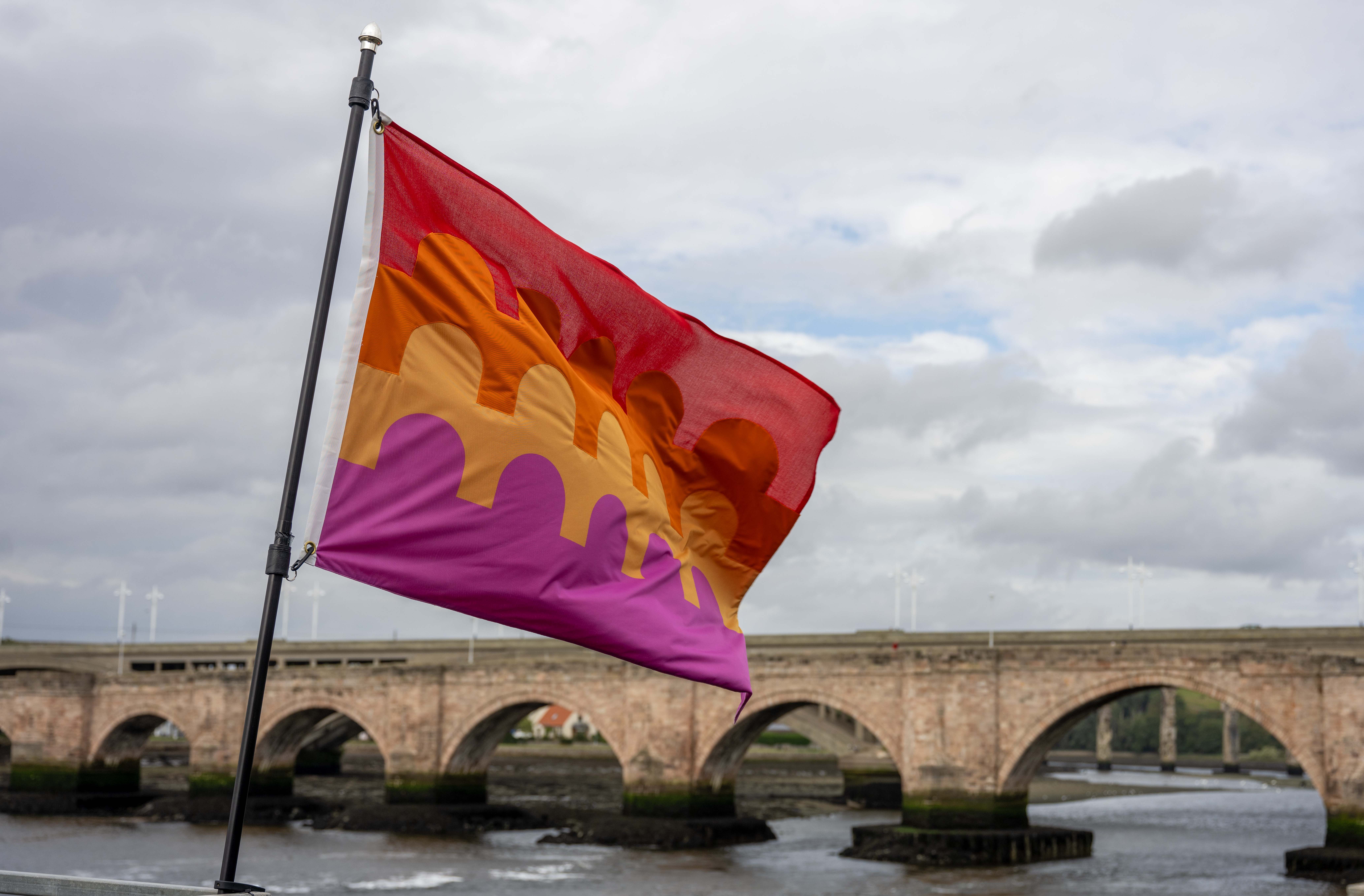
One project I particularly enjoyed was ‘Her Extraordinary Colours’ with artist Beth J Ross. Beth worked with local women to design and create a series of flags celebrating Berwick women’s history. My role included researching flagpole locations across the town, contacting owners and arranging permissions to display the artwork. If you need to find a flagpole in Berwick, I’m your man! One of our successes was securing some unusual locations for the flags, including one displayed on a boat running trips along the River Tweed.
I also helped develop a digital trail using the Action Bound app, allowing visitors to locate the flags and unlock audio and written content explaining the stories behind them. As my apprenticeship progressed, I became increasingly involved in planning and delivering artist commissions as part of the Berwick Shines programme.”
What challenges did you have to overcome?
“One of the biggest adjustments was moving from academic work, which is often very independent, into a role that relied heavily on teamwork and communication.
I was used to working on my own projects, so adapting to collaborative working practices took some time. Even simple things, like keeping colleagues copied into emails and making sure everyone had the information they needed, were new habits to develop.
What was valuable about being an apprentice was that there were regular opportunities for feedback and reflection. I learned that small changes in communication and organisation can make a significant difference to the success of a project.”
What did you find most rewarding?
“The most rewarding part was seeing people connect with Berwick’s history and culture, particularly those who hadn’t engaged with it before. Sharing history with others is what first inspired me to move into this field, so it was incredibly satisfying to see that happen through the projects we delivered.
Some people attended a single event and then became so involved that they came along to almost everything we offered. Berwick has such a rich and fascinating history, and I felt proud to play a part in helping people discover it.
One experience that particularly stands out was arranging transport for a participant with mobility issues so she could attend events. Seeing how much she gained from being involved was hugely rewarding and a reminder of how important it is to make cultural activities as accessible as possible.”
What would you say to other people considering an apprenticeship?
“I would absolutely recommend an apprenticeship. They’re an excellent way of bridging the gap between education and employment, allowing you to gain practical experience while continuing to learn.
I also think it’s important for people to realise that apprenticeships aren’t just for school leavers. Whether you’ve been to university, already have a degree, or are looking to change career direction, an apprenticeship can be a fantastic way to develop new skills and gain experience in a different field.
I’d also encourage people to think carefully about the organisation they choose. The Maltings Trust was a brilliant place to complete an apprenticeship because of the people. Some of our classmates were working within huge organisations running large apprenticeship programmes, whereas we benefited from close support and mentorship from colleagues who were genuinely passionate about sharing their knowledge and experience. That made a huge difference to what we were able to learn.”
What’s next for you?
“After completing my apprenticeship in December 2025, I was delighted to secure a role as Community Engagement Assistant for The Living Barracks project.
My work now includes supporting the development of the new art gallery, recruiting and coordinating volunteers, and helping to connect local communities with the project. It’s fantastic to be combining my passion for history with cultural engagement, and I’m excited to see how both The Living Barracks and The Maltings continue to evolve over the coming years.”
Find Out More
Take a look at our projects and find out how to get involved!

Northumberland Students Discover! Creative Careers at Queen’s Hall Arts Centre



In February 2025, Queen’s Hall Arts Centre ran the first Discover! Creative Careers Carousel for Northumberland, in partnership with North East Combined Authority.
Eight Schools across the county brought groups of Y9 students to take part in interactive workshops with creative professionals, to offer an insight into the range of careers available in the creative sector.
Timeline
February 2025
Project Partners
Artists
Backstage Builders CIC, Emma Tominey, Kristin Kelly Abbot, Over the Winks, Novo Theatre, Newcastle College, Northumbria University, Queen’s Hall Arts Centre
Project Coordinator
Helen Mills, Queen Hall Arts Centre,
Kathryn Henderson and Hannah Gow, North East Combined Authority
Schools Involved
- NCEA Duke’s Secondary School
- Queen Elizabeth’s High School
- Duchess’ Community High School
- King Edward VI School
- Hillcrest Cramlington
- Cramlington Learning Village
- Haydon Bridge High School
- Blyth Academy
Key Goals
- Young people to feel inspired about the possibilities of working creatively and view this as a potential career option
- Students to gain experience in working with professional artists
- Students to have a deeper understanding of different routes into creative careers
North East Combined Authority and Discover! Creative Careers organised a series of ‘Career Carousel’s’ across the North East, to inspire children to explore creative careers and show them how the things they love to do can translate into a career. In Northumberland, students were invited to Queen’s Hall Arts Centre to enjoy an engaging, hands-on day with professional creatives, gaining real insight into what a day in their career is really like.
Workshops
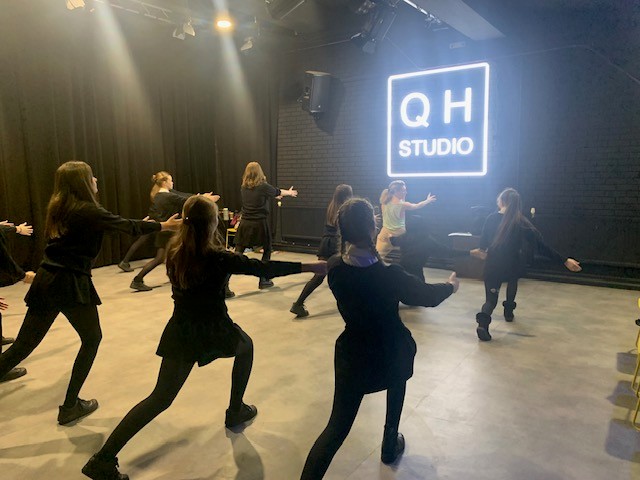
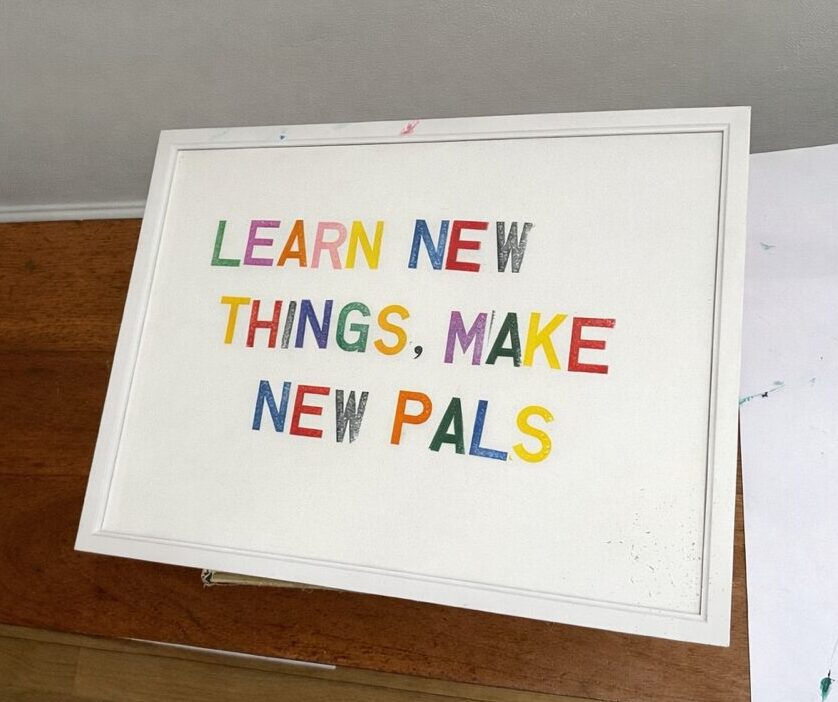
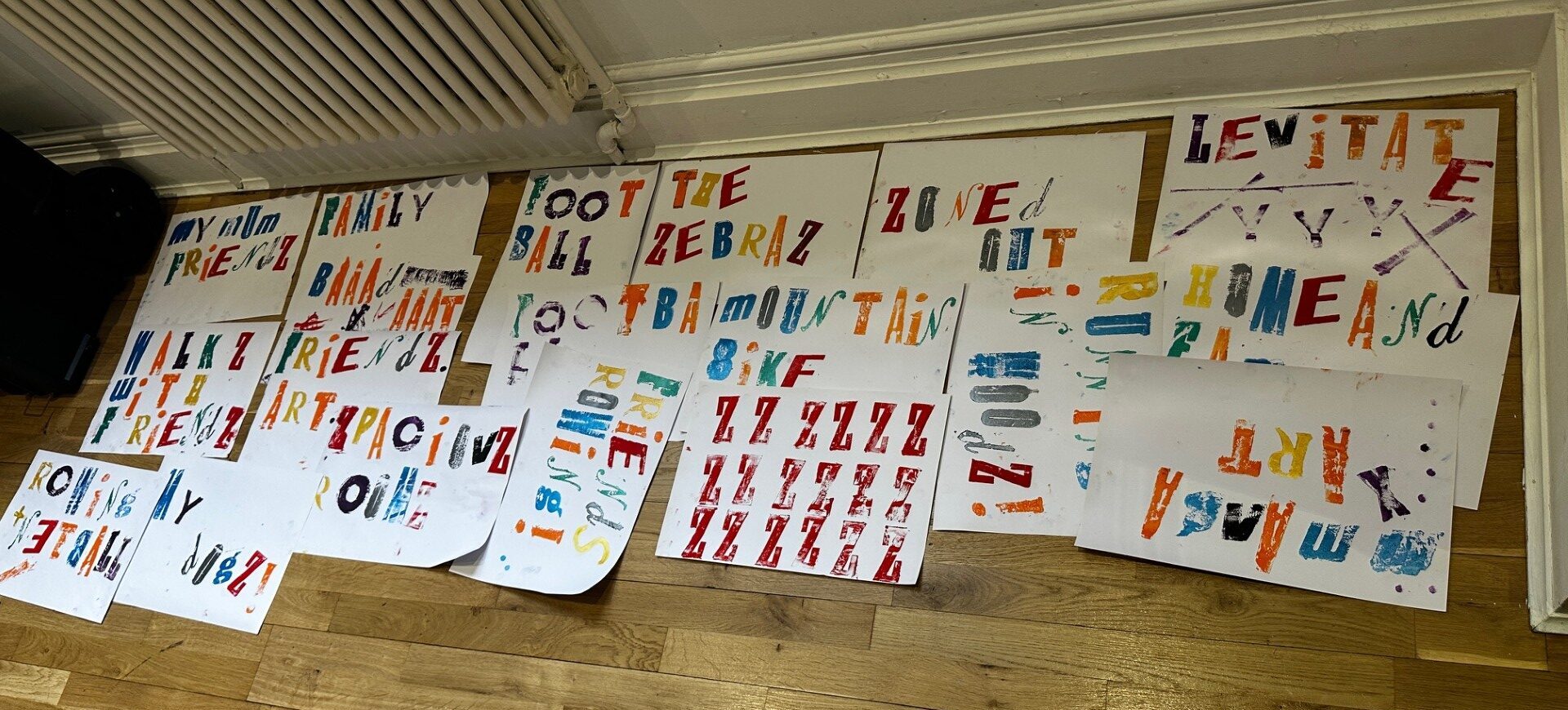
Northumberland schools were invited to bring groups of Year 9 pupils to participate in three hands on workshops with creative professionals. Workshops included a screen printing workshop with Creative Producer and Multimedia Participatory Artist, Emma Tominey, an introduction to scenic arts and prop-making with Backstage Builders CIC, an interactive dance workshop with dancer and choreographer, Kristin Kelly Abbott and an introduction to theatre in unusual places, with Novo Theatres.
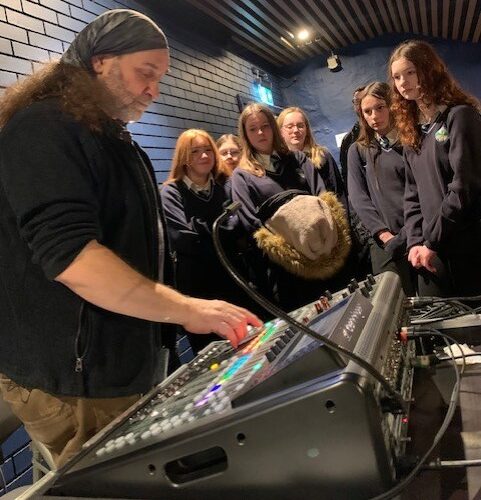
Some groups were able to try out the light and sound equipment with Queen’s Hall technicians, as well as attending an introduction to gallery curation, and a demonstration of stage and special effects makeup by Over the Winks.
The Panel
At the end of the workshops, pupils attended a panel discussions with Creative Director of Queen’s Hall, Katy Taylor, Helen Driver, curriculum lead of Art at Newcastle College, Steve Gilroy from the School of Design, Arts and Creative Industries at Northumbria University and Trish Mayes, from Backstage Builders CIC. The panel was led by playwright Garry Lyons, and gave students the opportunity to ask questions about different pathways into the arts and creative industries, such as apprenticeships, college courses, university degrees, or more unconventional routes into the sector.
Outcomes
Inspiring Northumberland pupils with Creative Careers opportunities
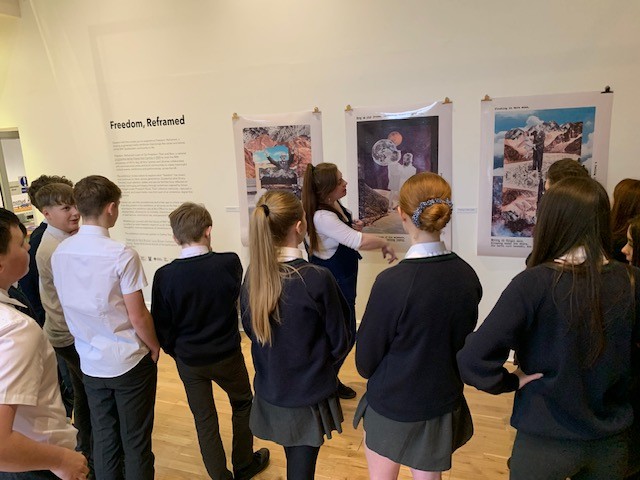
Eight Northumberland schools sent pupils from across the county with a total of 209 young people taking part in the interactive workshops. Many of the young people had not realised that there were jobs in some of the disciplines they tried and left saying they would look into this in future.
Demonstrating a range of careers across creative industry
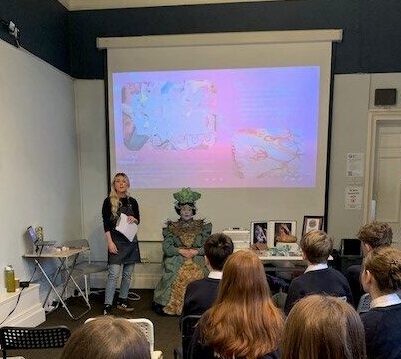
Representatives from eight different areas of creative industry held workshops for pupils. These included theatre production, visual arts, sound and lighting, stage make up, gallery curation, stage artistry, film production and choreography.
Showcasing different routes into creative careers
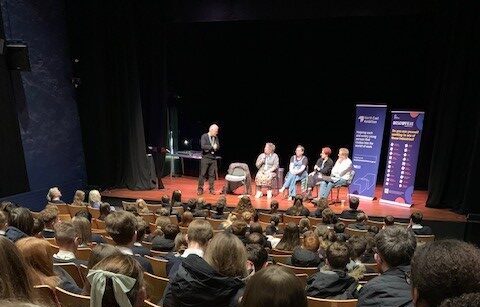
The panel comprised of a range of professionals, the Creative Director of Queen’s Hall Arts Centre, Katy Taylor, Managing Director of Backstage Builders CIC, Playwright and Panel Chair Garry Lyons, Art and Design Curriculum Leader for Newcastle College, Helen Driver, and Director of Public Programme from the School of Design, Arts and Creative Industries at Northumbria University, Steve Gilroy. This ensured a wide spread of insight into different routes into industry, from the traditional academic routes, through to apprenticeship and complete career change.
Impact
Find Out More
Take a look at our projects and find out how to get involved!




Local School gives Royal Approval to Ad Gefrin’s Great Hall and Museum
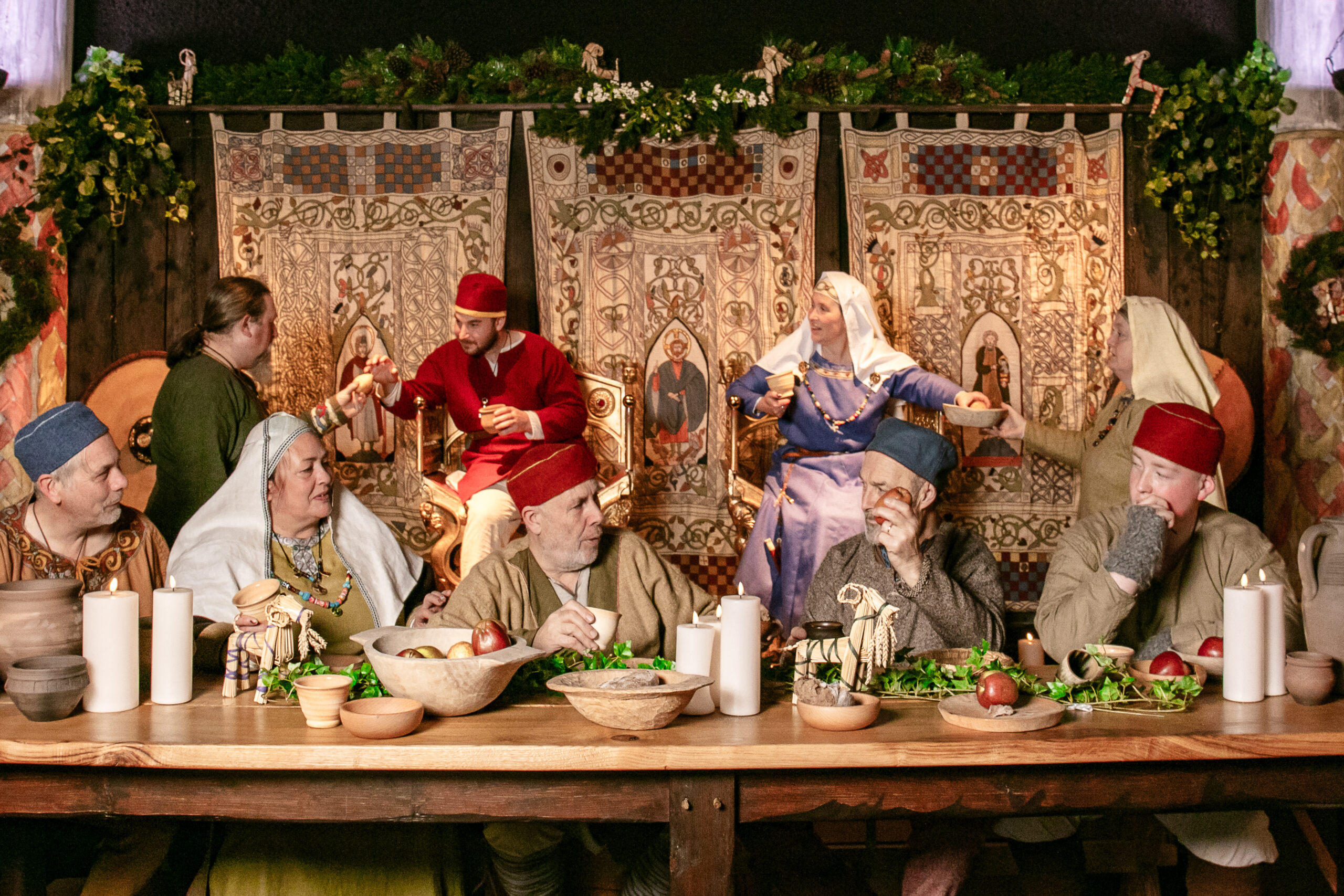
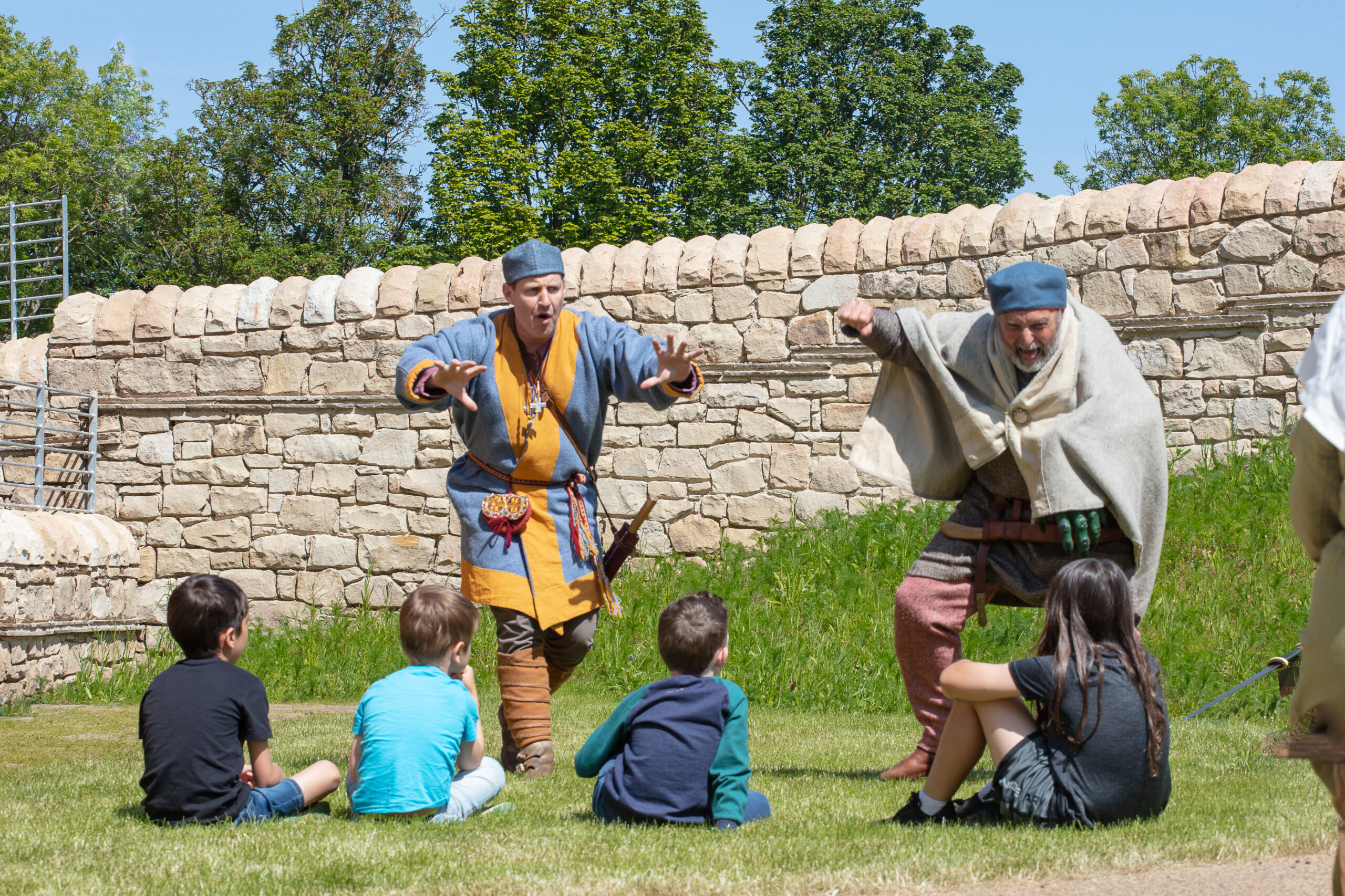
Bede Academy took Year 7 to Ad Gefrin to support the curriculum on Northumbrian Saints. A staff member visited the museum and was so impressed with the audio visual, they felt this was a brilliant way to tell the stories of Edwin, Oswald and Aidan.
The way this unit is taught in school incorporates evidence from the archaeological dig in Bamburgh, so the artifacts in the museum adds real value to this as a way of finding out about early medieval Northumbria. The trip was run as a joint History and Geography visit, due to the location of the site at Yeavering, which opened up discussions on the geography of the area and why this might have been chosen as a suitable site for the summer palace of the 7th Century Kings and Queens.
Bede Academy brought 60 students each day over four days. Thirty pupils went to the museum in the morning, and moved between the audio-visual and museum with demonstrations of Anglo Saxon weapons, games, and runes – as well as free time to explore.
The other 30 went to the field at Yeavering and explored the site looking at the geographical context, then marking out its limits and discussing the changing use of the site from prehistory to the Anglo Saxon period. This allowed discussion about the change in geography over time, and migration. Discussions around recent archaelogical digs allowed the school to emphasis the fact that interpretations of history develop over time.
The students enjoyed learning outside the classroom and having the opportunity to ask Ad Gefrin’s experts about the Golden Age of Northumbria and the world of the Anglo-Saxons.
The ability to be immersed in the audio visual of the re-imagined Great Hall and spending time at the site itself at Yeavering, helped visualise what life might have been like and why certain decisions like the palace location were taken.
Student enjoyment and engagement was high – Bede Academy is now the process of developing a meaningful visit for each year group in History and recommends this trip to History leads from other schools to underpin the Y7 curriculum on Northumbrian Saints.
Timeline
Ongoing
Project Partners
Organisations
Durham University
The Gefrin Trust
Schools Involved
- Bede Academy
Key Goals
- To get pupils learning out of the classroom and within the Northumberland countryside to see that learning about history can happen in a variety of settings
- To complement students’ in class learning – adding to their knowledge of the story of Edwin and Aidan by meeting experts from the museum and seeing real artefacts.
- To challenge critical thinking around themes such as power, equality, language, landscape and religion
- To engage children, parents and the wider community and raise their knowledge of local history
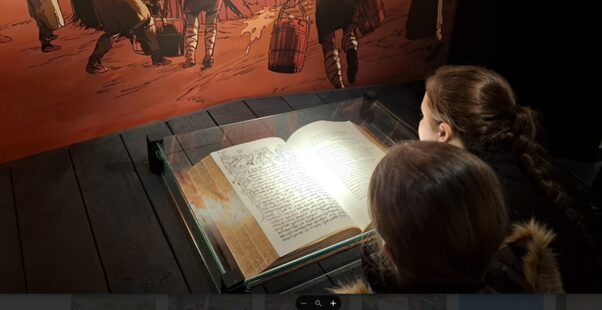
The onsite re-imagined Great Hall and museum at Ad Gefrin gives students an immersive experience into life at the 7th century Summer palace of the Kings and Queens of Northumbria, with artefacts from national collections such as The British Museum. Schools are able to take a trip to the archaeological site at Yeavering to stand on the hillside where the royal settlement was and walk where the Kings and Queens had stepped before
Ad Gefrin can tailor school visits and worksheets to link with the curriculum . They can also offer Ad Gefrin ‘on the road’, when a staff member (or even an Anglo Saxon) will come to school bringing replica artifacts for an interactive session. Ad Gefrin are currently working on loans boxes for schools to hire to deliver content in class.
The idea behind Ad Gefrin’s education programme is to bring an interactive/immersive experience to students, resulting in better engagement and understanding of a largely untold period of our past. This sits between the Roman and Viking eras, but during a time when Northumbria was pre-eminent in the world for its power and culture.
People travelled from North Africa, Europe, and Scandinavia to be at the court of King Edwin and King Oswald and to witness the first conversions of the Northumbrians to Christianity. This was at the cusp of moving from oral tradition to the written tradition so the perfect context for exploring language as well as history and geography.
Outcomes
Interactive Learning
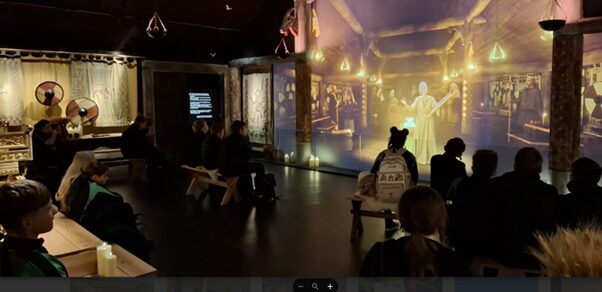
The visit helped students to retain information they learnt during the trip, which was evidenced when they clearly included factual knowledge from the visit in the end-of-unit assessments.
Shared Experiences
These types of experiences help form bonds and friendships through shared experiences and lasting memories taken on to adulthood.
Developing Relationships
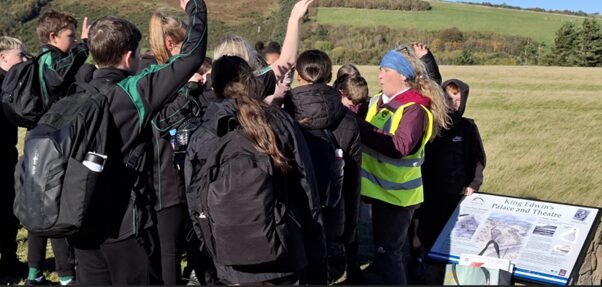
Bede Academy used this opportunity for form tutors to accompany their new Y7 classes, which deepened emerging relationships. It also gave history staff time to get to know a wider range of the new intake.
Impact
Find Out More
Take a look at our projects and find out how to get involved!
Haydon Bridge Music Project

With over 430 students from Year 7 to Year 13, the sheer scale of the school’s catchment presents unique challenges: after-school clubs are nearly impossible, it’s difficult to meet-up with friends outside of school and students face long daily commutes.
Without a Music Teacher for two years, Haydon Bridge School and Queen’s Hall Arts joined forces on a brand-new approach that was fresh, accessible, and inspiring. Together, Haydon Bridge High School and Queen’s Hall Arts put out a call for experienced, dynamic musicians to help develop a brand-new music project for Key Stage 3 students.
Timeline
Spring Term 2025
Project Partners
Artists
Dennis Jobling, Chris Lamb and Tom Kimber
Coordinator
Queen’s Hall Arts Centre
Schools Involved
- Haydon Bridge High School
Key Goals
- To test out creative arts delivery with an artist residency model
- To test out delivery using drop-down day model
- To give pupils experience of making music
- To improve self-esteem for pupils
The Inspiration
The project marked the beginning of an exciting new partnership between Queen’s Hall Arts and Haydon Bridge School. Developed in collaboration with resident musicians, the programme was co-designed to meet the specific needs of the school and its students.
It was delivered to nine classes across Key Stage 3, offering a high-quality musical experience embedded within the school curriculum. A core objective of the project was to tackle the significant challenge faced by many rural schools: the difficulty of recruiting and retaining specialist arts staff.
By integrating the expertise of a professional cultural organisation directly into the classroom, the partnership not only enhanced the learning experience for students but also helped to build long-term capacity within the school. This initiative laid the groundwork for a sustainable model of arts education in rural settings, demonstrating how schools and cultural partners can work together to deliver impactful, creative learning.

Outcomes
Student engagement and reduction in absences
Over 50% of the school were involved in the project, and school reported a reduction in absences on the days the project was taking place.
Increasing confidence through music
Students reported feeling an increase in confidence in creating and performing music
Sustainable working
The work has resulted in a legacy project, with students signing up to continue their musical education through the new lunchtime music club
Impact
Find Out More
Take a look at our projects and find out how to get involved!
Students make Berwick Shine
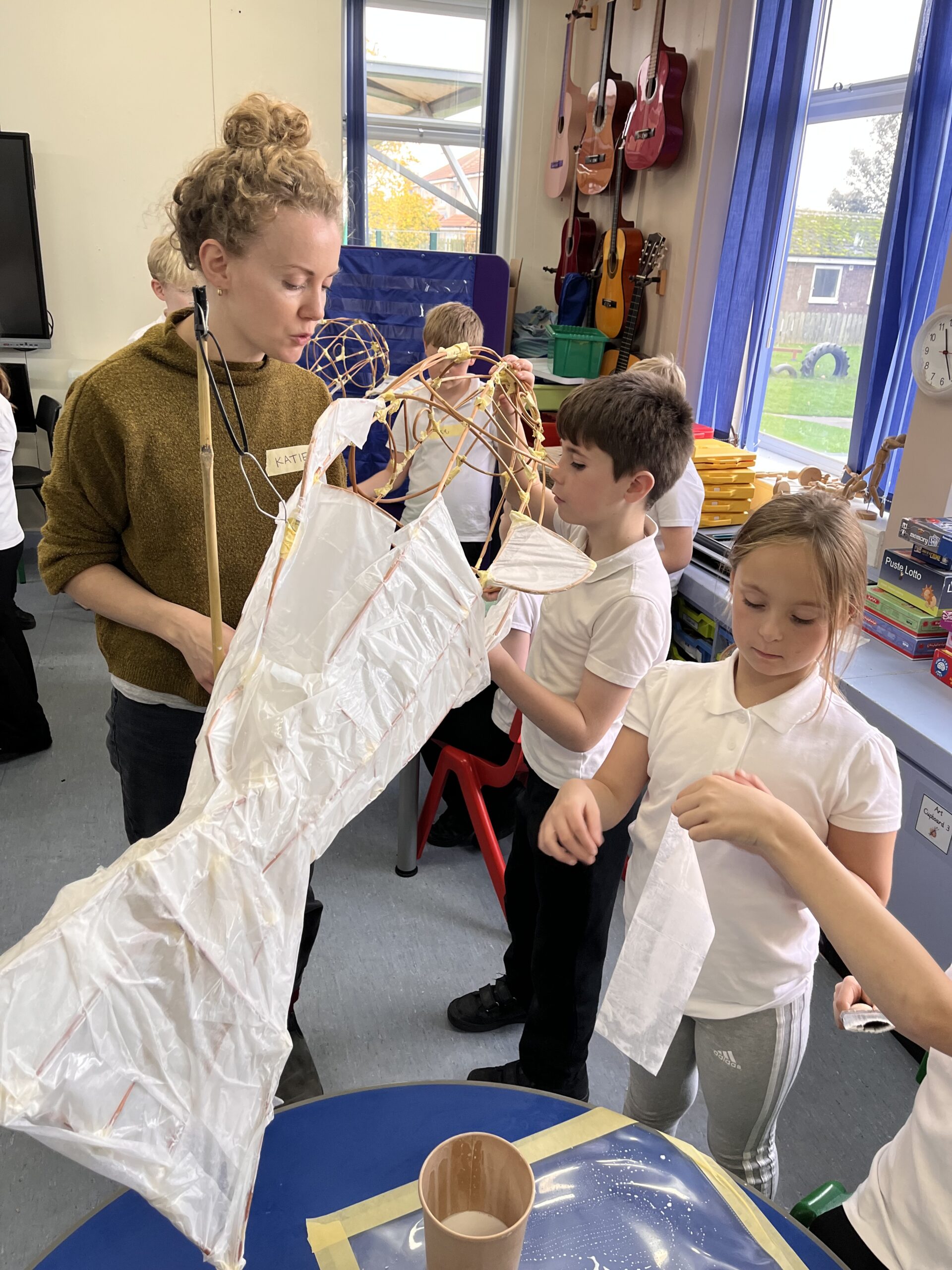
Five schools in Berwick upon Tweed worked with artist Martha Ellis and The Maltings (Berwick) Trust to create a shoal of willow salmon lanterns that lit up the town over winter.
Inspired by the medieval tradition of lanterns in the town detailed in historic documents in the archives as far back as 1604, and the tradition of salmon fishing on the River Tweed, the project combined history, heritage and creativity with opportunities for showcasing lanterns across the town to light up Berwick during the winter months.
Funding for the project was provided by Arts Council England, through the UK Government’s Cultural Development Fund.
Timeline
November 2024 – January 2025
Project Partners
Artists
Martha Ellis
Organisations
The Maltings (Berwick) Trust
Berwick Record Office
King’s Own Scottish Borderers Museum
English Heritage
Schools Involved
- Tweedmouth Prior Park First School
- Berwick Academy
- St Cuthbert’s RC First School
- Tweedmouth Community Middle School
- The Grove SEND School
Key Goals
- To increase pupils’ understanding of local heritage and history
- To allow pupils to explore technical 3D construction at scale
- To build on teamwork within the school setting
- To build stronger connections between schools, artists and community
- To showcase creative outputs across the town
The Inspiration
The project emerged from an artist call-out for The Living Barracks project, a multi-partner programme to restore and redevelop Berwick Barracks including a cultural development strand of artist-led residencies and commissions which is produced by The Maltings (Berwick) Trust. The proposal from Martha Ellis combined large scale sculptural techniques with visible and inspiring outcome.
The project took place across 5 different schools from Year 4 to Year 12 pupils. The artist adapted workshop methods to the level of ability some classes worked in teams to make one lantern, older pupils worked on individual pieces and pupils with additional needs focused on sensory elements to build collaborative lanterns.
Outcomes
Pupil Participation
98 pupils across 5 schools participated in workshops and created a total of 37 large salmon lanterns
Strengthening links in the community
The project strengthened existing links and created new links with schools and teachers and created new links with local businesses who hosted lanterns over the Christmas period complete with an interactive town trail
Building new traditions in Berwick
Lanterns were carried by school pupils in a community lantern procession to mark the switching on of the town’s Christmas lights. There are now plans for an annual lantern procession at Christmas and the lanterns are planned to be used for more community gala events
Impact
Find Out More
Take a look at our projects and find out how to get involved!
NCEA Duke’s Secondary School Key Stage 5 Cultural Capital Project
NCEA Duke’s Secondary School identified a need to raise cultural capital in Key Stage 5, as there was a notable lack of engagement with broader cultural experiences among a large proportion of sixth form students. This was reflected in less confident communication, narrower academic engagement, or limited awareness of opportunities available to students post-school.
The school has a diverse student population, with students from various socio-economic
backgrounds and staff identified the need to close gaps in exposure by providing access to cultural experiences in order to ensure equality for all students.
This project also aimed to improve post-16 aspirations for students, to better prepare them for life after school by raising their cultural awareness and equip them with the intellectual tools to navigate a broader world, from university interviews to the professional workplace. Since receiving Inspire Grant funding from North East Combined Authority, Duke’s Secondary has created a focus team of Year 12 students who managed the project and the budget as part of their AQA level 3 “Leadership in the Community” Award.
Timeline
Ongoing project since 2024, with key developments in the 2024-2025 academic year
Project Partners
Organisations
North East Combined Authority
Schools Involved
- NCEA Duke’s Secondary School
Key Goals
- Bridging educational inequalities
- Preparing students for education and employment
- Developing well rounded individuals
- Enriching the curriculum
- Building confidence and social mobility
The Inspiration
As part of the leadership qualification the group were assigned the task to research potential locations for a proposed trip with the Inspire Grant funding. The group initially decided to do a consultation exercise and created a questionnaire which was put to the wider 6th form. A full group consultation session was then held to identify numbers of students who were interested in going on the residential. The leaders also consulted with the wider group to identify 4 possible locations to further research potential Itineraries
and source costings.
Costing and programme examples were sourced from a number of school trip organisers by the group. All costs were way beyond our initial estimate and not viable without a significant student financial contribution. London was the most popular choice but transport, accommodation costs were very
expensive and risk management was a concern from the group and other young people. There was also a general feeling of London being a dangerous and unsafe location.
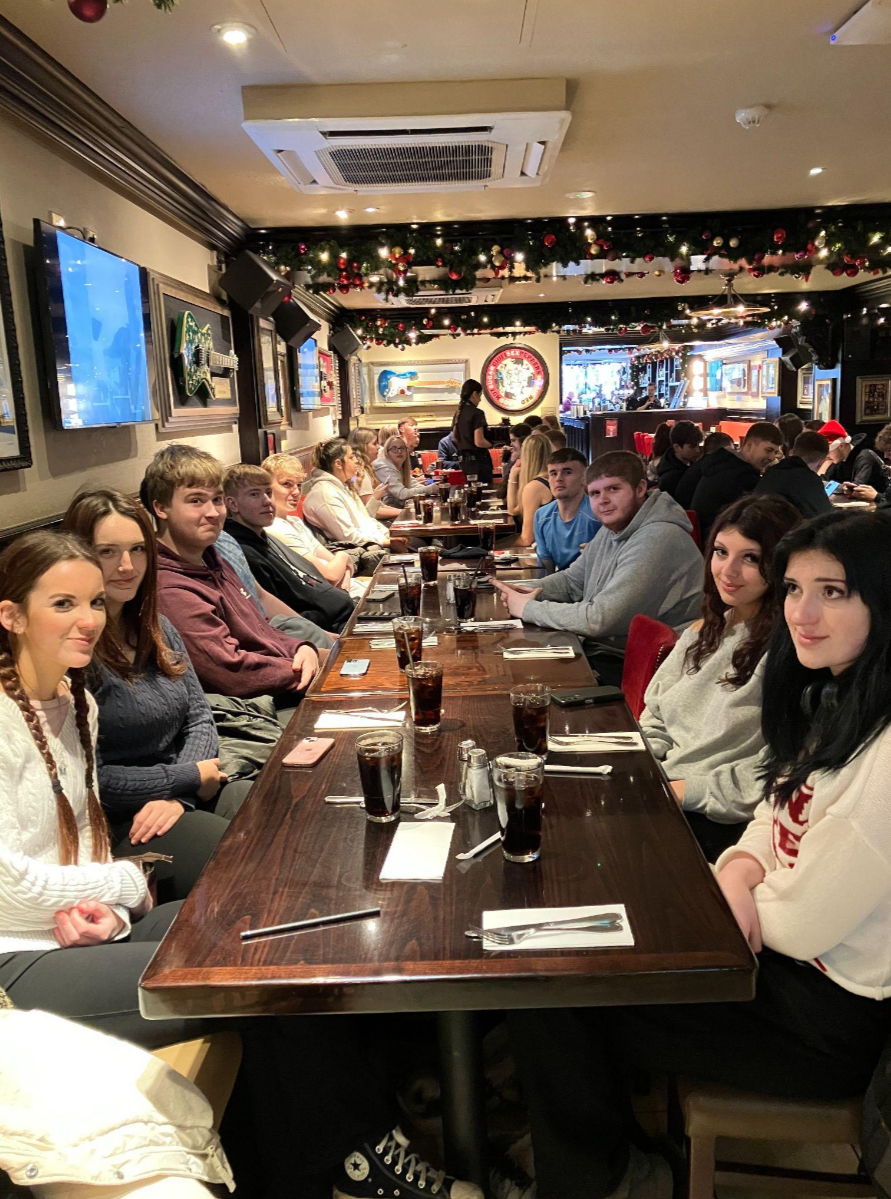
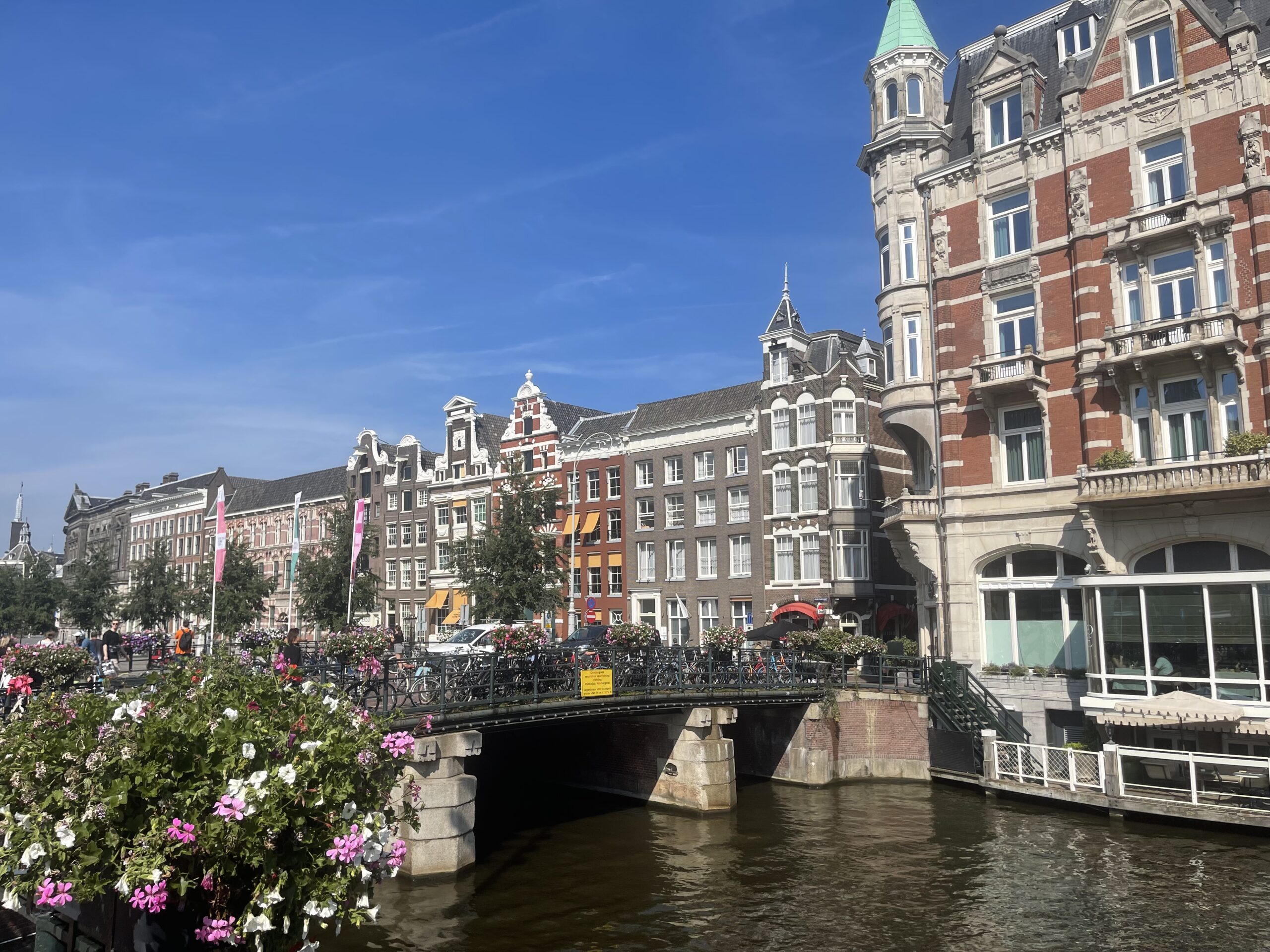
The leaders then consulted with the wider student group and 4 European destinations were identified: Dublin, Amsterdam Paris and Prague. Dublin flights were very cheap but group accommodation proved very expensive. Paris and Prague were also costed by the group but flight times and accommodation proved to be very expensive and logistically challenging. By far the best value for money option was with DFDS, the ferry provider, who offered a Newcastle – Amsterdam trip. The students initially liaised with the events team via email to establish if a group deal could be done. The ferry option was felt to be a very safe trip, low risk and most food and costs included. The students secured a great deal within budget and helped to confirm the 45 places required to run the trip. Staff secured the booking and arranged the deposit payment.
Students also developed the itinerary for the day in Amsterdam which was shared with parents. The leadership group were sharing the learning with the wider group as more information became available with support from the staff team.
Students fed back to the staff team that getting people to commit to the trip was very challenging for fear of the unknown, students had lots of questions but young leaders did a great job of planning and liaising with other students to help get the booking secured.
Outcomes
Cultural Awareness and Global Perspective
Exposure to different cultures, languages, and traditions broadened the students’ understanding of the world and enhanced their appreciation for diversity.
Confidence and Independence
The visit increased student confidence in discussing heritage and art as well as talking ab9ut other cultures. Planning and participating in a trip abroad significantly boosted self-confidence, decision-making skills, and sense of responsibility, with some students having to apply for their own passports, organising travel money and taking ownership of packing their own belongings for an overseas trip.
Educational Growth
Experiencing new environments reinforced classroom learning, particularly in subjects like history, geography, and languages.
Social Skills and Teamwork
Students collaborated with peers while organizing the trip which encouraged communication, problem-solving, and cooperation.
Personal Growth and Resilience
Overcoming challenges such as navigating a foreign city or adapting to new customs built resilience and adaptability, as well as improving aspirations and motivation to aim higher in life.
Find Out More
Take a look at our projects and find out how to get involved!
Creative Interventions: Building Confidence through Creativity
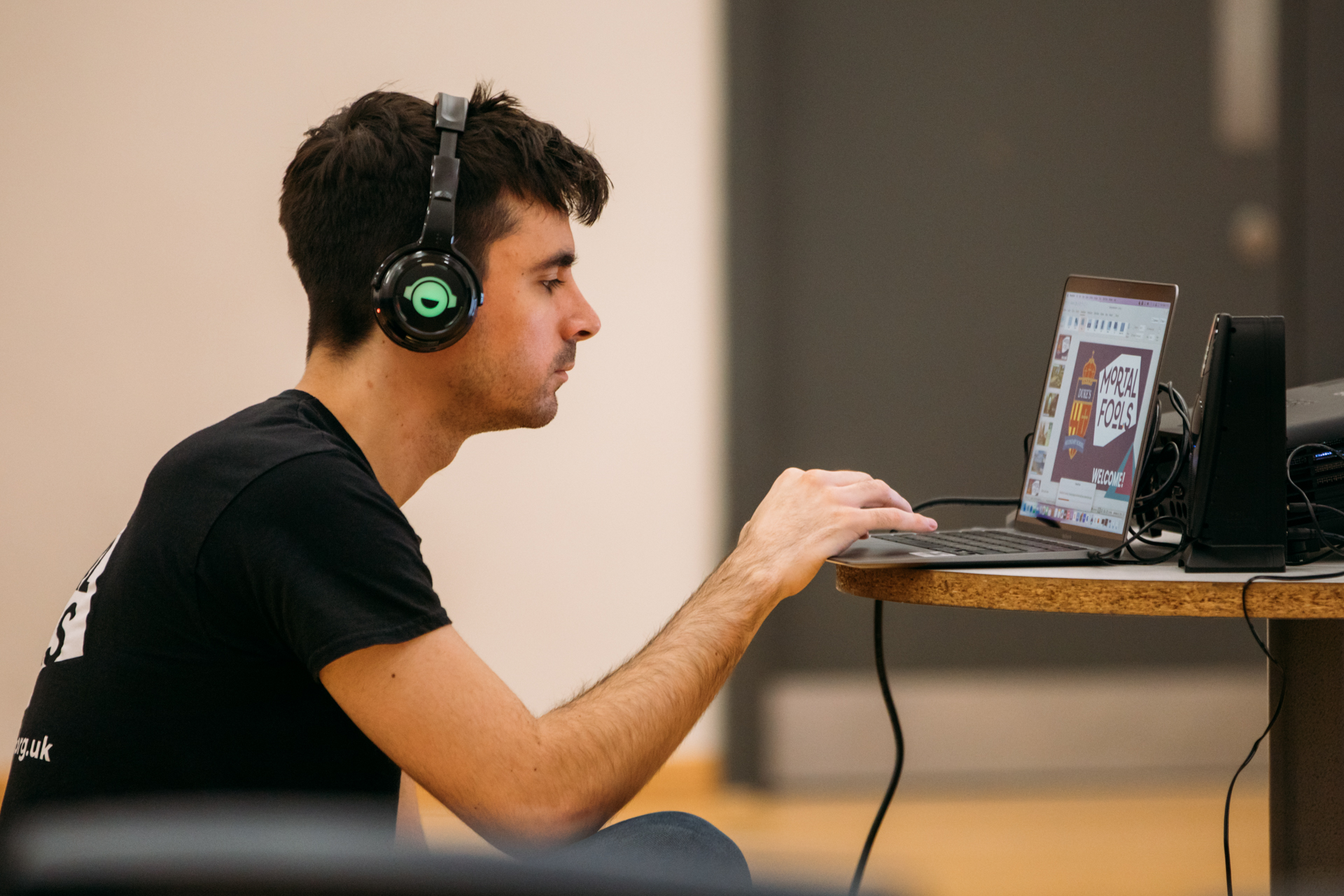
This project engaged students from Duke’s Secondary School in weekly creative sessions, working alongside artists to achieve an Explore Arts Award qualification.
The project aimed to support the development of students’ wellbeing including key skills such as confidence, teamwork, and resilience. The project theme was nature-based and included an outdoor creative session, a devised audio piece and a showcase event in school with other young people and staff.
Timeline
Spring Term 2024 and Autumn Term 2024
Project Partners
Natural England
Mortal Fools
Schools Involved
- NCEA Duke’s Secondary School
Key Goals
- To improve students’ wellbeing and skills to support them to thrive more in school and their wider lives.
- To encourage creative expression through a range of different art forms.
- To develop our long-term partnership with the school.
The Inspiration
The project specifically supported students who had been referred for support with their wellbeing and skills, due to a range of different needs and lived experiences (e.g., neurodivergence, social emotional & mental health, challenging family circumstances)
In working toward the Arts Award Explore, students made nature-based collages, imaginary maps, zines, and four soundscapes expressing their experiences of real and fantasy outdoors spaces using exploration of the actual outdoors to record Foley sound effects.
Outcomes
Accessing Arts Qualification
12 students participated and achieved an Explore Arts Award qualification.
Benefits to social and emotional wellbeing
Pupils reported increased confidence and a sense of feeling valued and listened to. They also reported improved friendships, social interaction, and trust in others.
Improved Emotional Regulation
Pupils felt that after the intervention they were better able to manage their emotions and practice emotional regulation.
Increased Confidence
The sessions enabled pupils to confidently express their thoughts and opinions in front of others, as well as feeling able to talk about their interests and express themselves through creative experiences.
Building relationships
Both pupils and school teachers felt that these interventions improved relationships in school and increased the sense of partnership between school and pupils.
Impact
Find Out More
Take a look at our projects and find out how to get involved!
Empowering Students Through Eco Textiles and Community Collaboration
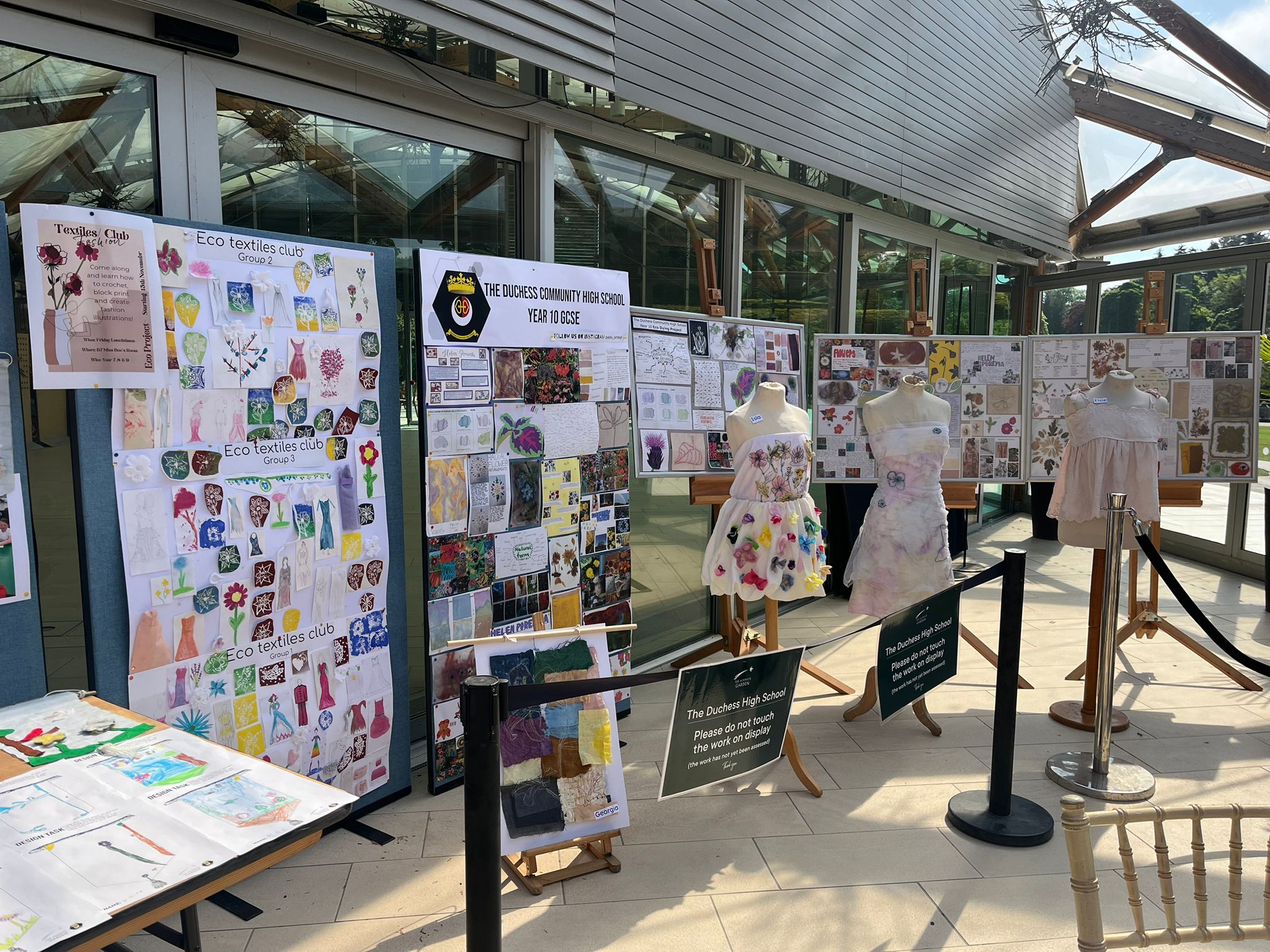
This project empowered DCHS students to explore sustainable Textiles through the Eco Project in partnership with The Alnwick Garden. It expanded creative learning opportunities for both secondary and primary pupils, with students leading workshops, exhibiting their work, and engaging with the wider community.
Timeline
Ongoing project since 2024, with key developments in the 2024-2025 academic year
Project Partners
Organisations
The Alnwick Garden Education Team
Schools Involved
- Duchess’s Community High School (DCHS)
- Swansfield Park Primary School
- Seahouses Primary School
- Shilbottle Primary School
Key Goals
- Develop sustainable textiles knowledge through creative practice
- Build leadership skills and confidence in older students
- Connect primary and secondary pupils through shared creative experiences
- Strengthen school partnerships with arts organisations
- Provide public exhibition opportunities for student work
The Inspiration
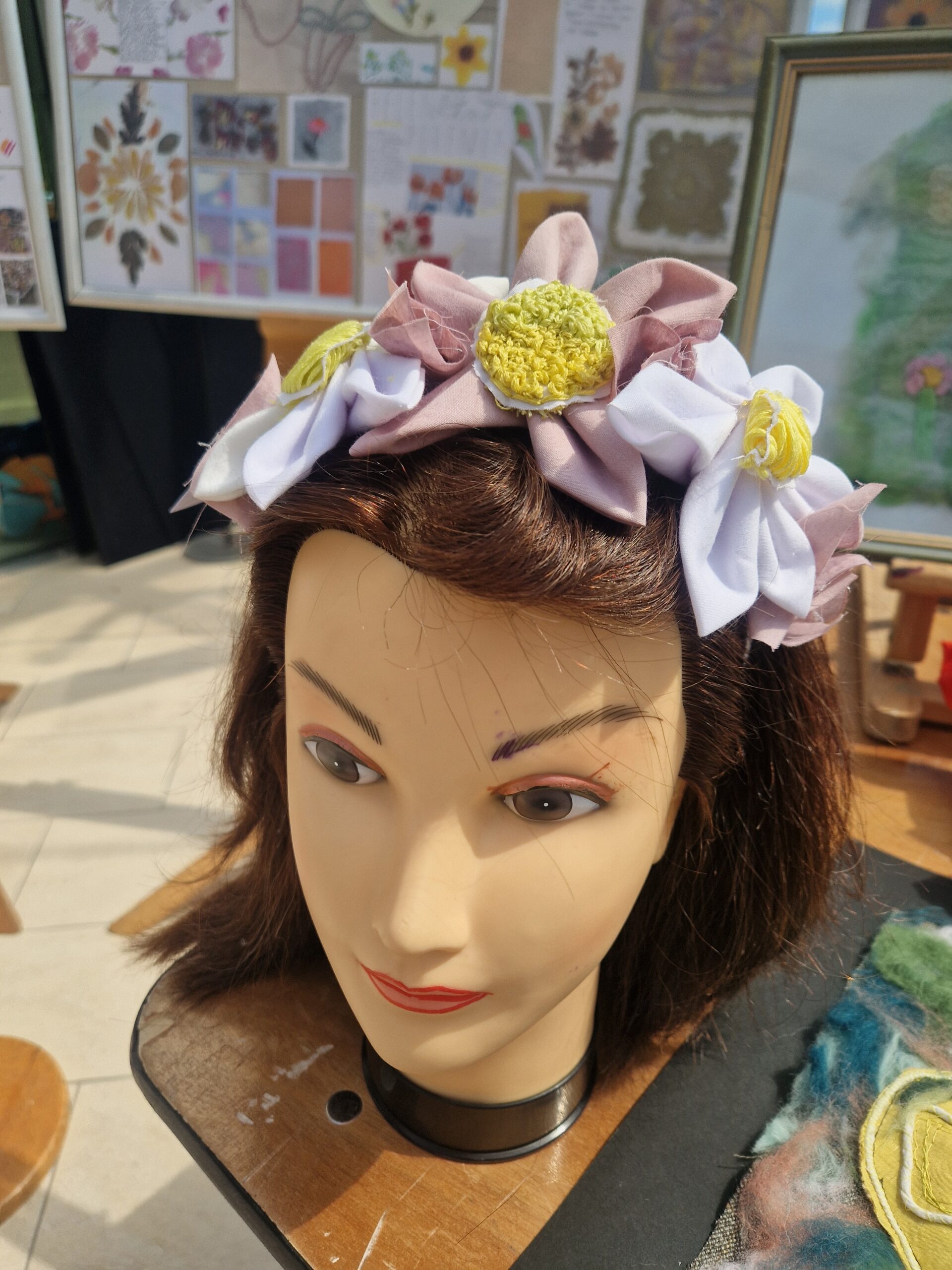
The Eco Project was developed as a Textiles initiative that introduces students to natural dyeing and sustainable practices.
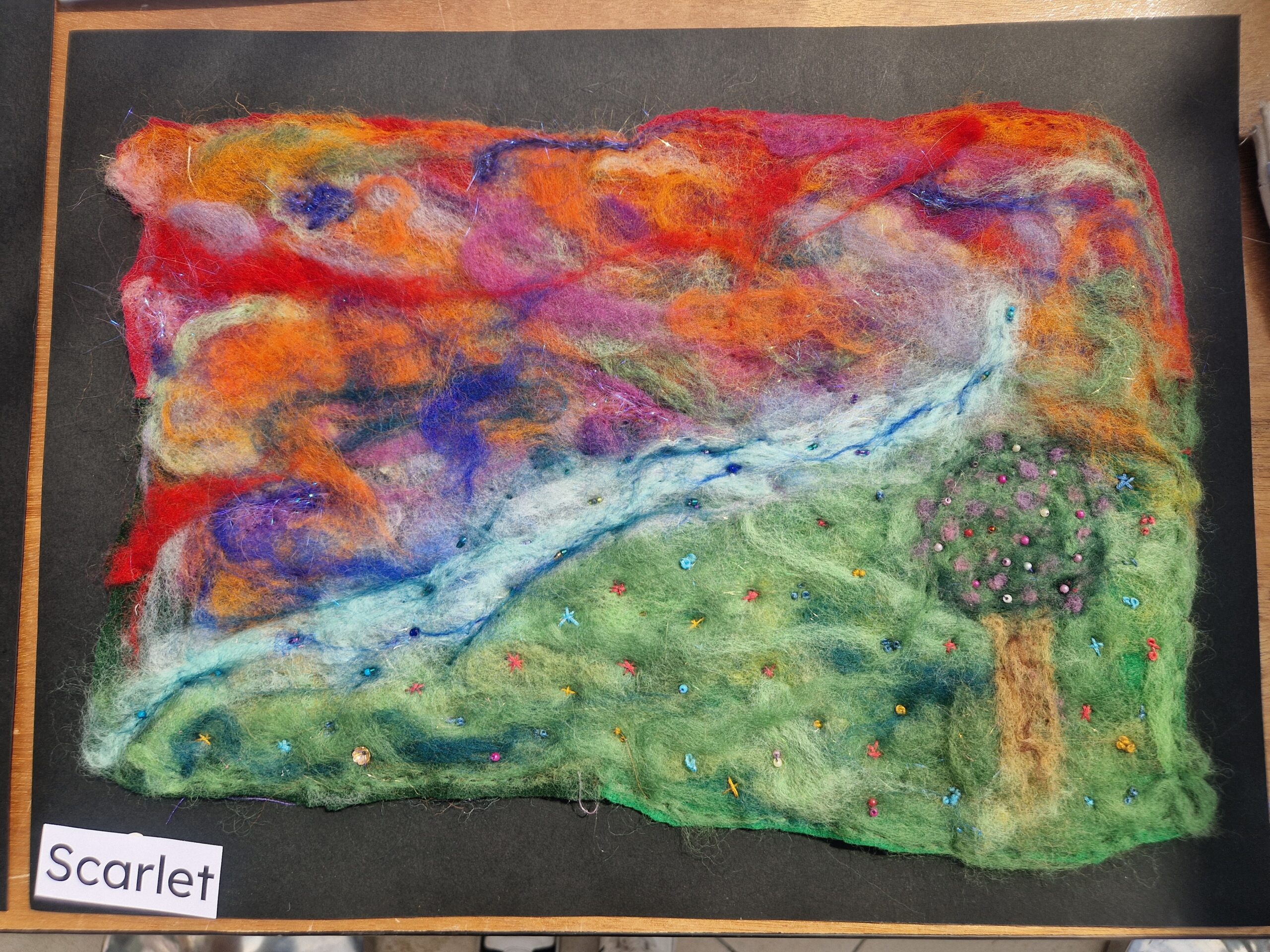
Students learned to use plant-based dyes to create meaningful artwork. Older pupils took on leadership roles, supporting a weekly Textiles Club and leading workshops at local primary schools.
The project expanded to include tailored schemes of work for both GCSE classes and primary cohorts. Collaboration with The Alnwick Garden enabled the project to culminate in a public exhibition and laid the foundation for future events, such as a proposed “Primary Planting Day.”
Outcomes
Community Collaboration
Over 20 students from DCHS participated in workshops and exhibitions and three local primary schools engaged in the extended project, working with a key community organisation to produce a successful final exhibition.
Developing Leadership Skills
The year 12 students from DCHS used this opportunity to develop leadership skills as part of The Gold Arts Award. This Level 3 qualification is young person-led and encourages creativity and independent learning.
Improving Creativity Standards in School
Work on this project led to The Duchess’ Community High School being awarded a Platinum Artsmark Award, accredited by Arts Council England. The Artsmark Award is the only creative quality standard for schools and education settings in England, where schools are recognised for their exceptional commitment to creativity.
Developing Professional Skills and Confidence
Working with subject specific teachers and Y12 students strengthened the confidence of primary teachers in delivering Textiles content in their individual settings
Impact
Find Out More
Take a look at our projects and find out how to get involved!