NCEA Duke’s Secondary School Key Stage 5 Cultural Capital Project
NCEA Duke’s Secondary School identified a need to raise cultural capital in Key Stage 5, as there was a notable lack of engagement with broader cultural experiences among a large proportion of sixth form students. This was reflected in less confident communication, narrower academic engagement, or limited awareness of opportunities available to students post-school.
The school has a diverse student population, with students from various socio-economic
backgrounds and staff identified the need to close gaps in exposure by providing access to cultural experiences in order to ensure equality for all students.
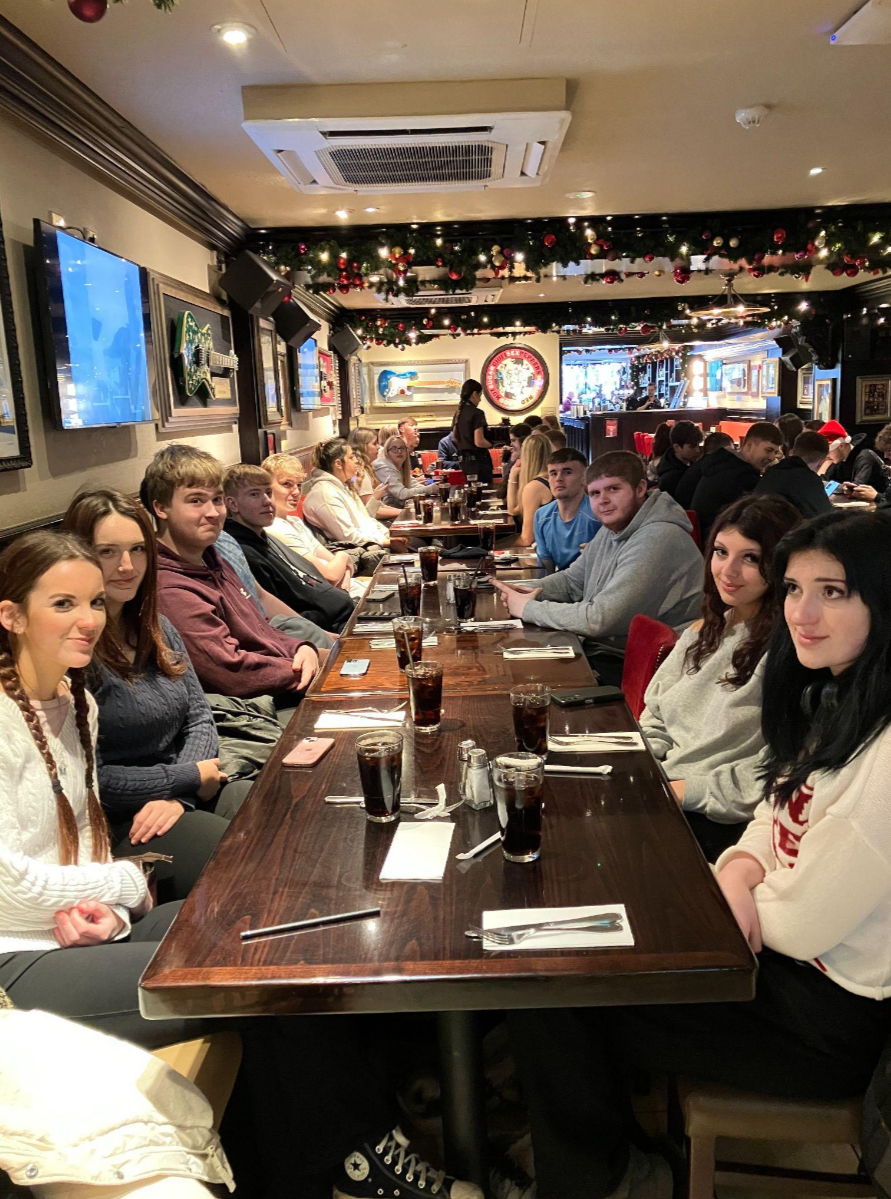
This project also aimed to improve post-16 aspirations for students, to better prepare them for life after school by raising their cultural awareness and equip them with the intellectual tools to navigate a broader world, from university interviews to the professional workplace. Since receiving Inspire Grant funding from North East Combined Authority, Duke’s Secondary has created a focus team of Year 12 students who managed the project and the budget as part of their AQA level 3 “Leadership in the Community” Award.
Timeline
Ongoing project since 2024, with key developments in the 2024-2025 academic year
Project Partners
Organisations
North East Combined Authority
Schools Involved
- NCEA Duke’s Secondary School
Key Goals
- Bridging educational inequalities
- Preparing students for education and employment
- Developing well rounded individuals
- Enriching the curriculum
- Building confidence and social mobility
The Inspiration
As part of the leadership qualification the group were assigned the task to research potential locations for a proposed trip with the Inspire Grant funding. The group initially decided to do a consultation exercise and created a questionnaire which was put to the wider 6th form. A full group consultation session was then held to identify numbers of students who were interested in going on the residential. The leaders also consulted with the wider group to identify 4 possible locations to further research potential Itineraries
and source costings.
Costing and programme examples were sourced from a number of school trip organisers by the group. All costs were way beyond our initial estimate and not viable without a significant student financial contribution. London was the most popular choice but transport, accommodation costs were very
expensive and risk management was a concern from the group and other young people. There was also a general feeling of London being a dangerous and unsafe location.
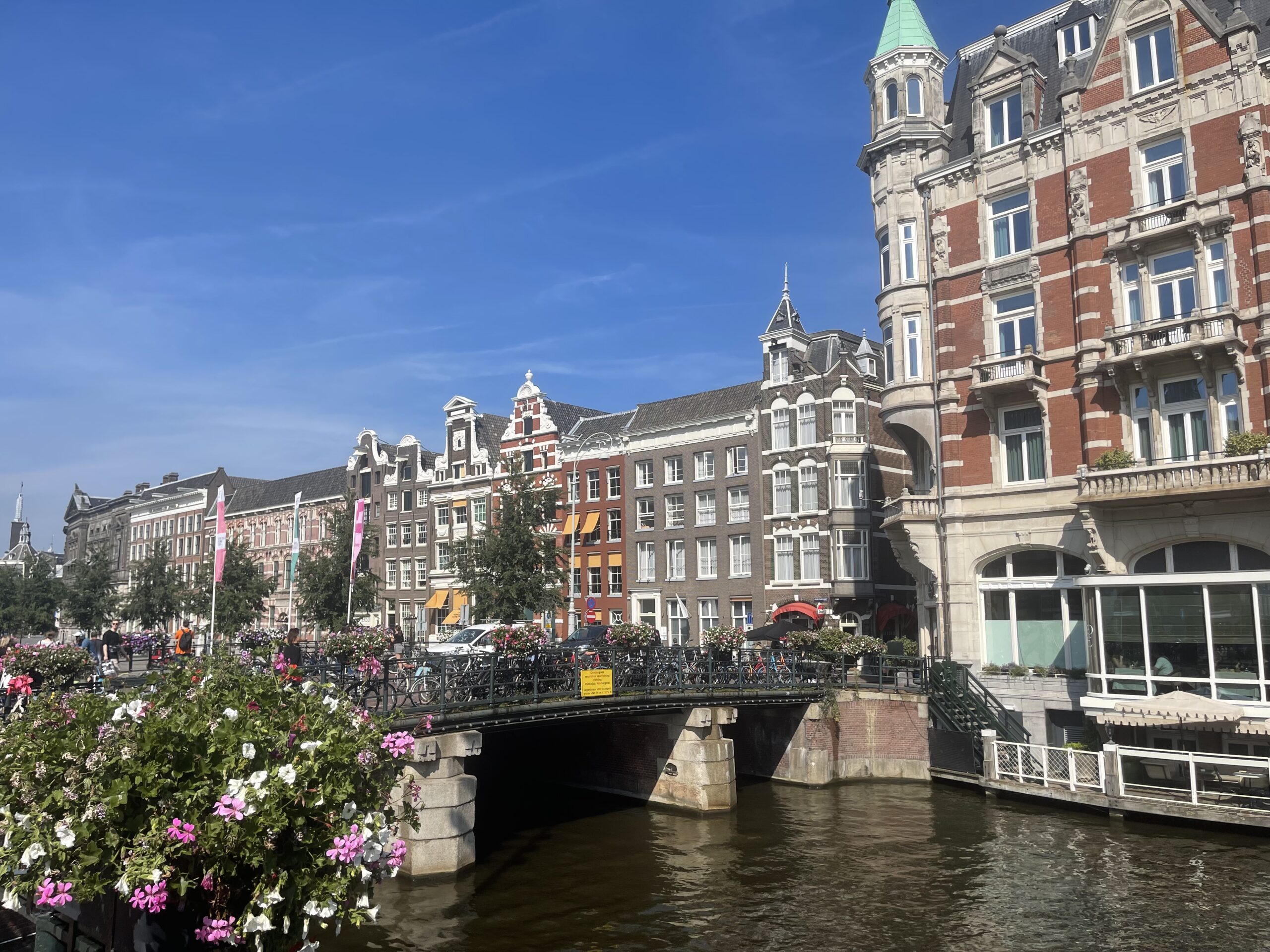
The leaders then consulted with the wider student group and 4 European destinations were identified: Dublin, Amsterdam Paris and Prague. Dublin flights were very cheap but group accommodation proved very expensive. Paris and Prague were also costed by the group but flight times and accommodation proved to be very expensive and logistically challenging. By far the best value for money option was with DFDS, the ferry provider, who offered a Newcastle – Amsterdam trip. The students initially liaised with the events team via email to establish if a group deal could be done. The ferry option was felt to be a very safe trip, low risk and most food and costs included. The students secured a great deal within budget and helped to confirm the 45 places required to run the trip. Staff secured the booking and arranged the deposit payment.
Students also developed the itinerary for the day in Amsterdam which was shared with parents. The leadership group were sharing the learning with the wider group as more information became available with support from the staff team.
Students fed back to the staff team that getting people to commit to the trip was very challenging for fear of the unknown, students had lots of questions but young leaders did a great job of planning and liaising with other students to help get the booking secured.
Outcomes
Cultural Awareness and Global Perspective
Exposure to different cultures, languages, and traditions broadened the students’ understanding of the world and enhanced their appreciation for diversity.
Confidence and Independence
The visit increased student confidence in discussing heritage and art as well as talking ab9ut other cultures. Planning and participating in a trip abroad significantly boosted self-confidence, decision-making skills, and sense of responsibility, with some students having to apply for their own passports, organising travel money and taking ownership of packing their own belongings for an overseas trip.
Educational Growth
Experiencing new environments reinforced classroom learning, particularly in subjects like history, geography, and languages.
Social Skills and Teamwork
Students collaborated with peers while organizing the trip which encouraged communication, problem-solving, and cooperation.
Personal Growth and Resilience
Overcoming challenges such as navigating a foreign city or adapting to new customs built resilience and adaptability, as well as improving aspirations and motivation to aim higher in life.
Find Out More
Take a look at our projects and find out how to get involved!